Gratitude as a mindset: How to change your life
Why gratitude is the foundation of a happy life and how you can practice it daily.
Introduction
Gratitude as a mindset is far more than a fleeting feeling when witnessing the suffering of others. In episode 5, Reza Mehman reflects on gratitude prompted by witnessing hardship. He asks why appreciating our own lives often depends on that contrast. He explains how he himself was only grateful in exceptional circumstances for a long time and how this pattern fundamentally changed. It’s not just about gratitude for the obviously good things, but also about the ability to adopt a grateful perspective even in painful moments. With concrete examples, a scientific study, and personal tools, Reza shows how gratitude becomes the foundation of a positive mindset. This episode provides practical inspiration for anyone who wants to actively integrate gratitude into their daily life.
Summary
In one sentence: Gratitude is a conscious attitude to life. Reza explores practising it through journaling and reflection to support a more positive mindset.
Short summary: Reza Mehman explores gratitude beyond obviously positive events. A shift in perspective can also make room for it during difficult experiences. He discusses a study of people who wrote daily about experiences they appreciated. Reported outcomes included greater optimism, fewer doctor visits and more exercise. As practical tools, he recommends journaling, consciously stopping negative thoughts, and a simple 30-day challenge to get started.
Detailed summary: In the fifth episode of Project Mindset, Reza Mehman explores gratitude as the foundation for a positive mindset. He describes how most people only experience gratitude situationally, such as when witnessing suffering, and quickly lose this feeling. His personal examples include losing a loved one and feeling disappointed by someone close. He explores finding gratitude through a change in perspective. A scientific study confirms that regularly writing down experiences of gratitude has measurably positive effects on body and mind. Reza shares his own routines, including journaling and consciously stopping negative thought patterns, to anchor gratitude in everyday life.
Context: Who, What, Why
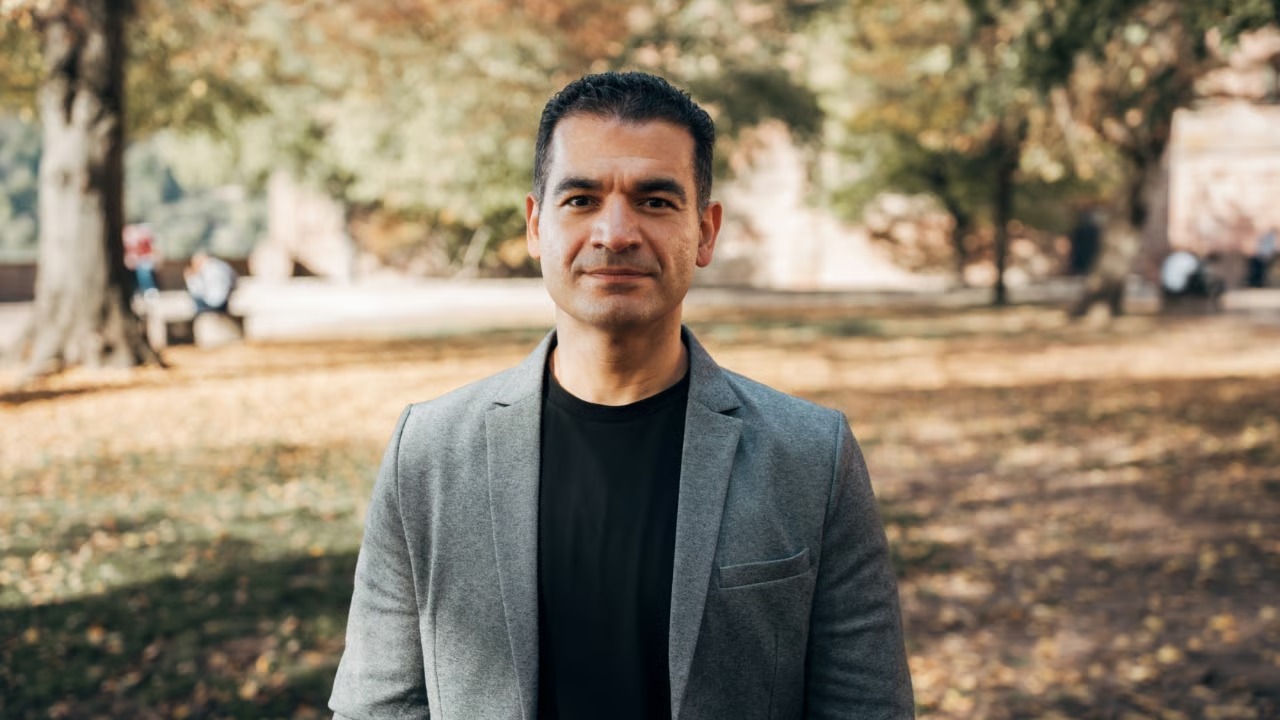
Who is speaking: Reza Mehman, host of the Project Mindset podcast, shares his personal experiences and insights about mental strength and personal development.
What is it about: This episode explores gratitude as a conscious lifestyle. Reza defines gratitude and discusses finding it in negative situations. He also explores a study and shares personal routines and tools.
Why is this relevant? Many people experience gratitude only as a fleeting feeling and fail to integrate this attitude into their daily lives. Especially in challenging times like 2020, it becomes clear how important a grateful mindset is for personal well-being.
Three key questions from this episode:
- What does gratitude truly mean, and how does it go beyond a fleeting feeling?
- How can one feel gratitude even in negative life situations?
- What practical tools and routines help to practice gratitude daily?
Table of contents
- Introduction – Why gratitude is more than a fleeting feeling
- Summary – The core message in brief
- Context: Who, What, Why – Background information on the speaker and topic
- Topics and classification – The central themes of the episode
- Key messages – Key findings at a glance
- Frequently Asked Questions – Answers to the most important questions about gratitude
- Highlight quotes – The most striking statements from the episode
- Transcript – The full episode to read again
- Keywords – Relevant keywords for the episode
- Names and terms – Key mentions at a glance
- quotable passage – For sharing and quoting
Topics and classification
1. Definition of gratitude as a way of life
Reza defines gratitude not as a situational feeling, but as a fundamental attitude towards everything that happens in life. It fosters inner peace, serenity, and lower expectations.
Keywords: Gratitude definition, lifestyle, inner peace
2. Changing perspectives in the face of negative events
Using examples such as the loss of a loved one or a disappointment, Reza shows how a conscious shift in perspective makes gratitude possible even in painful situations. It is precisely in these moments that the key to understanding gratitude lies.
Keywords: Change of perspective, negative events, positive thinking
3. Scientific basis: Study on gratitude
A study with three groups shows that people who journal daily about experiences of gratitude are more optimistic, have fewer doctor’s visits, and exercise more. The scientific basis supports these personal experiences.
Keywords: Gratitude study, Journaling effect, Positive psychology
4. Practical tools and routines
Reza shares his personal methods: journaling, consciously stopping negative thoughts, and starting with a 30-day challenge. These tools make gratitude practical and easily implementable in everyday life.
Keywords: Gratitude journaling, 30-day challenge, practicing gratitude
5. Gratitude in the context of 2020
The year 2020 serves as a prime example of how much we take everyday things for granted. Sports at the club, meetings with friends, or the Christmas market suddenly became occasions for conscious gratitude.
Keywords: Gratitude, Corona, appreciating everyday life, taking things for granted
Key messages
- Gratitude is an attitude towards everything in life, not just a feeling in exceptional situations.
- Most people only feel gratitude when they see the hardship and misery of others, and quickly lose this feeling again.
- The key to happiness lies in feeling gratitude even in negative situations through a change of perspective.
- When losing a loved one, one can be grateful not only for the grief but also for the time shared and the impact that person has had.
- Gratitude brings inner peace and serenity and helps to let go of high expectations.
- A scientific study shows that daily journaling about grateful experiences leads to more optimism, fewer doctor visits, and more physical activity.
- Gratitude spreads throughout the body like negative thoughts and affects well-being holistically.
- Practical tools such as journaling and consciously stopping negative thoughts help to integrate gratitude into everyday life.
- One should also consciously practice gratitude towards one’s partner and not take anything for granted.
- A 30-day challenge can be a good way to start establishing gratitude as a daily habit.
Frequently Asked Questions
What does Reza Mehman understand by gratitude?
Reza defines gratitude as a fundamental attitude towards everything in life. It provides inner peace, serenity, and the ability to accept things as they are while still seeing the good in them.
Is it truly possible to be grateful in the face of negative events?
Yes, through a conscious change of perspective. Reza explains, using the example of the loss of a loved one, that alongside grief, one can also be grateful for the time shared, the experiences, and the impact that person has had.
Which scientific study is mentioned in the episode?
Reza describes a study with three groups: one group journaled about positive experiences, one about negative ones, and one wrote objectively without judgment. The first group was significantly more optimistic, had fewer doctor’s visits, and exercised more.
How can one practice gratitude in everyday life?
Reza recommends journaling, which involves writing down things you’re grateful for each day. It also helps to consciously stop negative thoughts and replace them with thoughts of gratitude. A good way to start is with a 30-day challenge.
Why do many people only feel gratitude in extreme situations?
According to Reza, this is because most people need to witness hardship and misery before they can be grateful for their own situation. As soon as these images disappear, their own problems and negative thoughts return. Gratitude is not actively practiced as an attitude.
What does the year 2020 have to do with gratitude?
Reza describes how the restrictions of 2020 taught him to no longer take everyday things like sports in a club, meeting friends or the Christmas market for granted, but to consciously feel gratitude for them.
What is the difference between gratitude as a feeling and gratitude as a mindset?
Gratitude as a feeling is fleeting and often only arises in moments when one witnesses the suffering of others. Gratitude as a mindset, however, is a conscious, cultivated attitude that can be maintained through daily practice in any life situation.
Why is gratitude the foundation of a happy life?
According to Reza, gratitude fosters inner peace, allows one to approach things calmly, and prevents constant high expectations. It forms the basis for a positive mindset and has a holistic effect on both body and mind.
Selected statements from Reza Mehman
“The strange thing is that many people have to see hardship and misery before they are grateful for their own situation in life.”
“Gratitude is an attitude, an attitude towards pretty much everything that happens to you in life.”
“I believe that the key to happiness lies precisely in these bad things.”
“When you feel gratitude in the face of seemingly negative events in life, then you have finally understood, in my view, what gratitude means.”
“It’s incredibly unfair because I had so much contact with these people for 15, 20, 25 years. And to simply dismiss this positive aspect is incredibly unfair.”
“Gratitude can always be felt in every situation and in every matter.”
“What I definitely didn’t understand for a long time is that gratitude, or feeling gratitude, is the foundation of a happy life for me.”
The full conversation
Hi everyone, this is Reza Mehman, and you’re listening to the fifth episode of the Project Mindset podcast. Are you familiar with the commercials on TV where charities ask for donations for famine relief in the developing world, or the images of catastrophic conditions in refugee camps or wars around the globe? I think anyone with even a shred of empathy feels a pang of grief when they see something like that. On the one hand, you feel immense compassion for these people, and on the other hand, you tell yourself how incredibly grateful you should be that you’re not in such a situation yourself.
Then you turn off the TV or change the channel, and that feeling is gone. Out of sight, out of mind, as they say. Or it can happen even without television. Perhaps you know this feeling too: when you see a seriously ill person on the street or someone in a wheelchair, you immediately feel that compassion on the one hand and almost compelled gratitude on the other that you yourself are healthy and not in such a situation. The strange thing is that many people have to witness hardship and misery before they are grateful for their own circumstances in life.
Perceive gratitude in everyday life
And to be honest, I felt the same way for a long time; I even had a guilty conscience that I was only grateful for everything in those moments, when I saw the hardship and suffering of others. Once those images were out of my mind, my own problems and negative thoughts took center stage again. And that’s precisely what I want to talk about today: gratitude, or rather, how I finally understand it, I think. Because what I definitely didn’t understand for a long time is that gratitude, or the feeling of gratitude, is the foundation of a happy life for me.
In recent episodes, I’ve talked a lot about avoiding negative thoughts, for example, to prevent developing a negative mindset. Today, however, we’re talking about the opposite: how to create a positive mindset, specifically gratitude—how to cultivate a positive mindset through gratitude. Okay, I’d like to discuss the following four areas with you today. First, I’d like to briefly define what gratitude actually means, at least from my perspective.
Number two, how can gratitude change your perspective on events and occurrences in life? We’ll see that there are good and, of course, less good events and occurrences in life, and gratitude can be found in everything. We’ll get to that later. Number three, I’d also like to briefly discuss a scientific study that has demonstrated the positive effects of experiencing gratitude. And finally, I’ll show you my tools and routines that you can use to actively practice gratitude.
Gratitude as a conscious attitude
I’ve had very positive personal experiences with this and, of course, I want to share these tools with you, however I phrase it in my podcast episodes. Okay, let’s begin. What does gratitude mean? From my perspective, gratitude is an attitude, a stance towards pretty much everything that happens to you in life. Gratitude ensures inner peace, allows you to approach certain things with composure, and prevents you from always having high expectations. You might recall that I talked about high expectations in a recent podcast episode, and gratitude simply means accepting everything as it is and still seeing the good in it.
Now, you might say, “What I mentioned earlier, yes, I understand gratitude for good things. Yes, I can be grateful. But what about the bad things?” Normally, we’re grateful for those truly extraordinary good things, for example, getting a great job, giving birth to a healthy child, or, in simpler cases, just having a roof over our heads and something warm to eat. But why be grateful for something bad in life?
I believe that the key to happiness lies precisely in these negative things. That sounds a bit paradoxical, and I’ll explain that now. Specifically, if you feel gratitude for seemingly negative events in life, then, in my view, you’ve finally understood what gratitude truly means. I’ll give you a very concrete example: a negative event that will inevitably happen to everyone at some point in their life—the loss of a loved one.
Personal thoughts on grief and loss
The emotions you experience are clear: grief, loss, feelings, the feeling of missing someone, and of course, many other painful emotions. To be honest, I felt the same way in such a situation. I was so preoccupied with grief and loss that I thought of everything but gratitude. I hadn’t even considered that, even in such a sad situation, I could shift my perspective to feel gratitude. And let’s be honest, when you’re thinking about death, it’s difficult to think about gratitude at the same time.
Allowing grief and gratitude to coexist
The whole thing only changed for me when I understood that I could allow myself to grieve in such a moment. But it’s incredibly unfair of me not to be grateful that I had so much fun with this loved one all these years, learned so much from them, had so much time with them. That they shaped me in the sense that this loved one contributed to who I am today.
Please don’t misunderstand. It’s perfectly fine, and of course you should feel sad in such a moment. But on the other hand, you should remember that you even had the chance to have this person in your life. Many people, for example, didn’t have that opportunity. Perhaps they didn’t have a wonderful, amazing grandfather who played with them and wish for nothing more than to have such a person in their lives.
So, I’ve come to understand that if I only feel grief and sadness that someone has passed away, it’s incredibly unfair, because I had so much with these people for 15, 20, 25 years. Simply pushing aside the positive aspects is also incredibly unfair to people who haven’t experienced such feelings in their lives. So, you see, a negative situation like this can be viewed from a different perspective. Another example, and I’m sure you’ve all had similar experiences, is when you’re suddenly and profoundly disappointed by someone very close to you.
A new perspective on disappointments
This person then showed their true colors, their malicious side. It’s incredibly hurtful. In that moment, you think, wow, that’s crazy, all those years were basically wasted, and it’s all so awful. On the other hand, even here you can apply a sense of gratitude if you change your perspective and say, OK, wow, now I’ve seen their real, true colors. I don’t need to waste any more of my time on this and can focus on the people who are important to me in life and where I want to invest my energy.
And I no longer have to waste my energy on such a deceitful or malicious person. So, even here, gratitude arises in a super, incredibly negative situation simply from the change in perspective. Of course, those were two extreme examples to illustrate how to shift one’s perspective on certain negative situations and feel gratitude. But, fittingly for this year, I also have a relatively normal example, I would say. I mean, to say that 2020 was extraordinary for everyone is an understatement.
Appreciating normal life
And what I’ve definitely taken away from this year is that I should be grateful for normal life. What I mean by that is, before 2020 I played basketball once a week at my club, in the gym, met up with friends for meals and coffee, went out with my partner, attended events, and went to the Christmas market, which I missed incredibly this year. Everything that was normal before 2020, I missed terribly this year. And you can be sure that I definitely feel grateful that I experienced all of that before and, of course, that I will experience it again soon.
Let me give you a very ordinary example of gratitude, not like the extreme exceptional situations I mentioned earlier. But you need to think about this. Gratitude is always possible in every situation, and especially—I can definitely tell you this—towards your partner, towards someone else, towards others. And don’t forget, if you have a partner, it’s someone who puts up with you, with all your quirks, all your flaws, and all your good qualities, someone who is willing to invest time in you every single day.
Time spent together and insights into gratitude
And here, too, one should feel gratitude at all times, not take it for granted or assume that someone is even willing to spend time with you. And as I’ve already said, I’d also like to briefly touch on a scientific study that dealt with the topic of gratitude. It was also incredibly interesting. In this study, three groups were examined, and these three groups had the following tasks. The first group was asked to keep a journal, only about experiences and events for which they were truly grateful.
So, journaling—really writing down everything every day, just writing it down. The second group should also journal, but only about unpleasant experiences and events, writing down everything manually, everything that went really badly. The third group should write as objectively as possible, without emotions, without judgments, about the experiences and events they had that day. Now you can guess three times which group was more positive and more optimistic about the future.
From study results to your own practice
Naturally, the first group wrote about positive events and experiences. But what was even more interesting was that this first group had fewer doctor’s visits during that period and also exercised more voluntarily. This means that this gratitude truly had a positive effect on their entire bodies. And as I mentioned in the first episode, negative thoughts can spread to virtually every cell in the body. Similarly, I’m certain that gratitude can also spread throughout the entire bodily system.
Journaling is a very good keyword, because as my fourth and final point, I also wanted to share how I personally practice gratitude. On the one hand, I use journaling. But I also have to say that, starting with the topic of gratitude, I have a relatively simple approach. I told myself I would do a 30-day challenge, to think about gratitude for a while each day. I have to admit, I did it for the first day or two and then forgot about it, and so it kind of slipped my mind again.
Build a routine with calendar reminders
And then I decided, okay, another 30-day challenge, but this time I’m going to make entries in my calendar. One is at 7 a.m., so right after I get up, and one is around 11 p.m. This time, when that entry comes up, I’m going to take two, three, four, or five minutes and think about things I’m grateful for. At the beginning, I noticed that I was thinking about gratitude in a very high-level way, for example, every time I saw the calendar entry, I’d say, “We’re grateful today that I’m healthy, that my family is healthy, that we’re doing well, that we have a hot meal.”
That’s something tangible and concrete, let’s say. Over time, your mind starts to rebel, saying, “Hey, this is boring. I don’t just want to talk about things on a high level.” You start thinking about specific topics and feel grateful for them. For example, if a certain word comes up in a conversation, you might say, “I really liked that; I’m grateful that person shared that with me.” For me, it even got to the point—it felt like after two or three months—where I was grateful for even the smallest things in life.
Pay attention to even the smallest things.
So I’ve gotten to the point where I’m not just grateful for high-level health, warm food, and so on, but also, as silly as it sounds, I’m actually grateful that the duvet is so soft right now. Or that it smells so good. I’m also grateful that I had so many good ideas today about how I can move forward at work. Or I’m grateful that my car handled the curve particularly well today. It’s a bit silly, I know, but at some point you don’t just settle for abstract things you’re grateful for, but become really specific: I was grateful for exactly this situation at this time, at exactly this moment.
On the one hand, I don’t just do it by making calendar entries and then reminding myself in 2, 3, 4, or 5 minutes what I’m grateful for, but as you may have noticed in recent podcast episodes, I also keep a journal. In this, I write down specifically what happens to me and what happens during the day. I don’t do it every day, I’d estimate about every 2-3 days, but even then, I consciously set aside space, a section so to speak, where I write about topics related to gratitude.
Combining journaling and daily practice
So, the calendar entries combined with journaling were basically a breakthrough when it came to the topic of gratitude. I’d always read a lot about it before. The more grateful you are, the better life is. But I have to say, I really have to say, that it wasn’t until I used these two tools that I finally understood what gratitude actually means and that you can see gratitude in everything and everyone. Okay folks, as always, I try to keep the podcast episodes relatively short.
Today we talked about what gratitude is. Number 1. Number 2, we talked about how gratitude can change your perspective on events and occurrences in life. So that you can truly feel gratitude even in bad situations. Number 3, we briefly discussed a scientific study that demonstrates the positive effects of practicing gratitude. And number 4, finally, I showed you the tools and routines I use to actively practice gratitude.
I hope you enjoyed it, as always, and that you were able to take away at least one valuable insight. If so, please leave a review or subscribe to the channel, and tell your friends and acquaintances about it. And as always, if you have any questions, feedback, or would like to talk to me personally, just write to me at helloat@projectmindset.de. Have a great day, everyone, and see you next week. And don’t forget, mindset is everything.
This transcript was automatically generated using Whisper AI and may contain occasional errors.
Keywords
Tags: gratitude, mindset, gratitude as a mindset, positive thinking, journaling, changing perspective, practicing gratitude, gratitude study, personal development, self-reflection, positive psychology, gratitude routine, 30-day challenge, project mindset, Reza Mehman
Names and terms
Reza Mehman, Project Mindset, gratitude, mindset, journaling, changing perspectives, 30-day challenge, positive psychology, gratitude study, charity organizations, refugee camps, basketball, Christmas market, Corona 2020
quotable passage
Gratitude is an attitude towards everything in life, not just a fleeting feeling in extreme situations.
The key lies precisely in negative moments: those who change their perspective, even in the face of loss or disappointment, truly understand gratitude.
A scientific study shows that daily journaling about grateful experiences leads to more optimism, fewer doctor visits, and more exercise.
Gratitude as a mindset can be trained and forms the foundation for a positive, fulfilling life.
You can find more episodes and personal insights at Project Mindset.