Antioxidants: Their effect on body and mindset
Antioxidants and nutrition: a conversation with Professor Wink about plant compounds, free radicals, food and the questions that connect nutrition with mindset.
Introduction
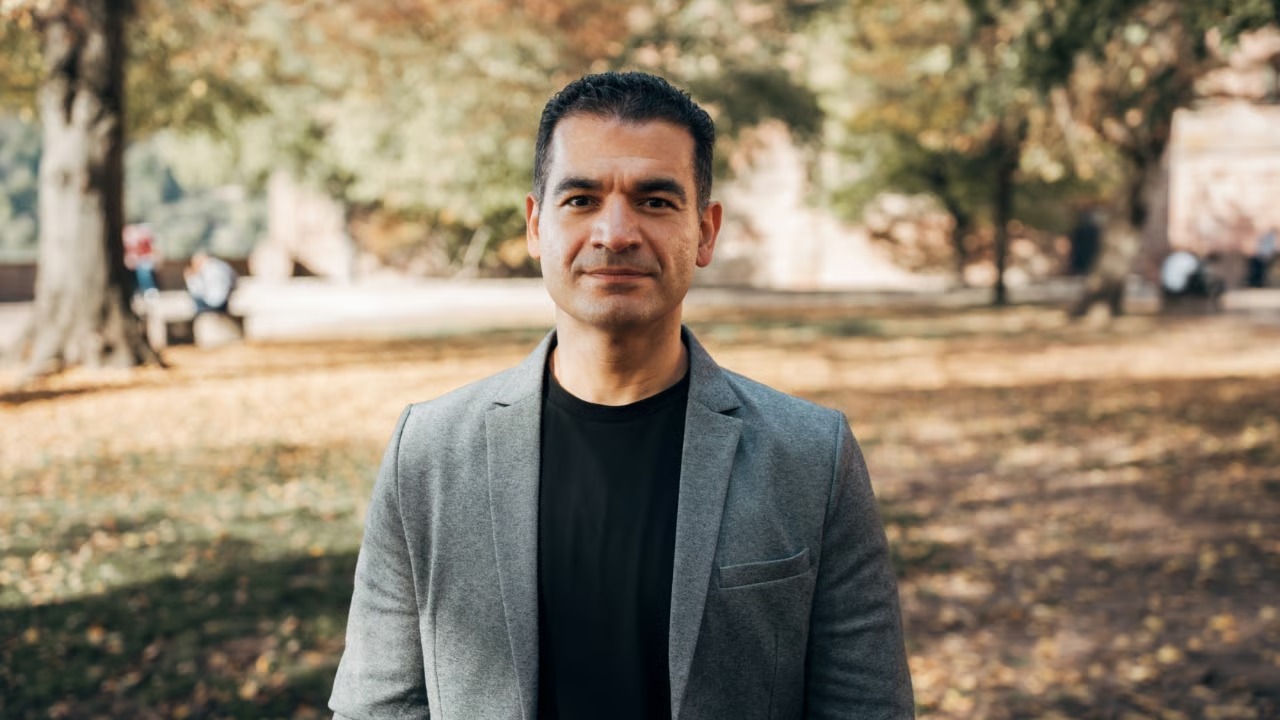
In this episode, Reza Mehman speaks with Professor Wink of Heidelberg University about antioxidants and plant compounds. They discuss free radicals, food composition and the relationship between nutrition and mindset. Professor Wink draws on his experience in pharmaceutical biology to explain the biochemical processes covered in the conversation.
The discussion includes green tea, foods described as superfoods and dietary supplements. Reza asks how these topics relate to everyday nutrition and wellbeing.
Antioxidants: the episode in brief
In one sentence: Prof. Dr. Wink explains how antioxidants, as plant defense substances, neutralize free radicals and thus protect body and mind.
In three sentences: Professor Wink explains that antioxidants from plants are evolutionarily developed substances that protect us from free radicals and oxidative stress. However, he warns against incorrect dosage or taking antioxidants at the wrong time, as they can then even be harmful. The episode shows why a conscious diet with fresh vegetables, green tea, and regional foods is the best strategy for health and mental strength.
In five sentences: In this episode, Professor Dr. Wink, a professor at Heidelberg University, explains the effects of antioxidants as plant-based secondary metabolites that evolved as defense mechanisms. He describes how free radicals are produced in the body through metabolic processes and why antioxidants can neutralize them. At the same time, he emphasizes that the dose is crucial and that antioxidants can even have negative effects if taken at the wrong time. The conversation also addresses the declining nutrient content of modern foods, the role of the microbiome, and the difference between superfoods and regional alternatives. Reza Mehman places these findings in the context of mindset and performance, demonstrating that a healthy diet forms the basis for a strong mindset.
Context: Who, What, Why
Who is speaking: Reza Mehman, host of the Project Mindset podcast, in conversation with Prof. Dr. Wink, Professor of Pharmaceutical Biology at the University of Heidelberg and author of the book “Food Upgrade: Smart Nutrition with Vital Substances”.
What is it about: The conversation revolves around antioxidants, their biochemical function, their benefits for human health, and the connection between nutrition, physical fitness, and mental well-being. Other topics include the declining nutrient content of foods, superfoods, dietary supplements, and the microbiome.
Why is this relevant? In a time when processed foods dominate and the nutrient content of fruits and vegetables is demonstrably declining, conscious nutrition is becoming increasingly important. Antioxidants play a key role in disease prevention and maintaining performance, yet many people know too little about their effects and proper use.
Three key questions from this episode:
- What exactly are antioxidants and how do they protect our bodies from free radicals?
- Why is the nutrient content of our food decreasing and how can we counteract this?
- Can antioxidants also be harmful if they are incorrectly dosed or taken at the wrong time?
Table of contents
- Introduction – Why nutrition and mindset belong together
- Summary – The episode summarized concisely
- context – Background information on the interview with Prof. Dr. Wink
- Topics and classification – An overview of the key topics
- Key messages – The most important insights from the episode
- Frequently Asked Questions – Answers to the most pressing questions about antioxidants
- Highlight quotes – The most striking statements from the conversation
- Transcript – The full interview to read
- Keywords – Relevant keywords for the episode
- Names and terms – Important people, places and technical terms
- quotable passage – Key statements on sharing and quoting
Topics and classification
1. Antioxidants and free radicals
Professor Dr. Wink explains the biochemical function of antioxidants as a protective shield against oxidative stress. Free radicals are produced as a byproduct of metabolism and can damage cells, but antioxidants effectively neutralize them.
Keywords: Antioxidant effect, free radicals, oxidative stress
2. Nutrient content of modern foods
The nutrient content of fruits and vegetables has declined significantly in recent decades. This is due to long supply chains, mass production, and breeding for rapid growth rather than nutrient density.
Keywords: Nutrient content of food, broccoli folic acid, quality of nutrition
3. Nutrition and Mindset
Reza Mehman demonstrates the direct link between nutrition, physical fitness, and mental strength. Those who eat a conscious, nutrient-rich diet increase their performance in all areas of life.
Keywords: Nutrition mindset, performance, smart nutrition
4. Superfoods, tea and dietary supplements
The conversation critically examines the hype surrounding superfoods such as goji berries and acai berries, compares black and green tea, and sheds light on the purpose of dietary supplements.
Keywords: Superfood effects, Green tea antioxidants, Dietary supplements
5. Secondary plant compounds and medicinal plants
Prof. Dr. Wink explains the evolutionary origin of secondary plant compounds and their potential as medicines against inflammation, pain and infections.
Keywords: secondary plant compounds, medicinal plants, healing plants, effects
Key messages
- Antioxidants are evolutionarily developed plant defense substances that, in the right dose, protect our body from free radicals.
- Free radicals are not inherently bad. The body also uses them in a targeted way, for example in the immune system to defend against pathogens.
- The dose makes the poison: Even healthy antioxidants can be harmful if consumed in excessive amounts or at the wrong time.
- The nutrient content of food decreases due to long supply chains, mass production, and breeding for rapid growth.
- Fresh, regional vegetables from the farmer around the corner contain significantly more vital nutrients than supermarket produce with long storage routes.
- Green tea contains significantly more antioxidants than black tea, as a large proportion of the active ingredients are broken down during the fermentation process.
- Exotic superfoods like goji berries are not necessarily better than local alternatives like blueberries or currants.
- The gut microbiome plays a central role in health and is positively influenced by a fiber-rich, plant-based diet.
- Dietary supplements only make sense if there is a proven deficiency or if the diet does not provide sufficient vital substances.
- Mindset and nutrition go hand in hand: Those who take good care of their body create the basis for mental strength and sustainable performance.
Frequently Asked Questions
What exactly are antioxidants?
Antioxidants are biologically active substances found primarily in plants and are known as secondary metabolites. They neutralize so-called free radicals, which are produced in the body through metabolic processes and can damage cells. Well-known antioxidants include polyphenols in green tea, carotenoids in carrots, and vitamin C in fruits and vegetables.
Why is the nutrient content in food decreasing?
Nutrient content decreases due to several factors: long supply chains and storage times, the breeding of plants for rapid growth and maximum mass rather than nutrient density, and industrial mass production. According to Prof. Dr. Wink, broccoli, for example, lost almost half of its folic acid content within ten years. Fresh, regional vegetables from local farmers are therefore the better choice.
Are free radicals always bad for the body?
No, free radicals are not inherently bad. The body uses them in a targeted way, for example in the immune system, where white blood cells produce free radicals to fight pathogens. Problems only arise when an imbalance occurs between free radicals and antioxidants, a condition known as oxidative stress, which can damage cells.
Can antioxidants also be harmful?
Yes, antioxidants can have negative effects if taken at the wrong time or in too high a dose. Professor Wink explains that, for example, taking antioxidants directly after exercise can weaken the positive training effect, as the body uses free radicals for adaptation after training. Carotenoids can also lead to negative effects under certain circumstances.
Is green tea better than black tea?
In terms of antioxidants, green tea is significantly superior to black tea. The fermentation process used to produce black tea breaks down a large proportion of the polyphenols and catechins it contains. Green tea therefore contains considerably more protective antioxidants, especially epigallocatechin gallate (EGCG).
Are superfoods like goji berries really that healthy?
While superfoods like goji berries and acai berries contain valuable nutrients, they aren’t necessarily better than local alternatives. Blueberries, currants, and elderberries offer comparable amounts of antioxidants and have the advantage of being more readily available and not having traveled long distances. Regional superfoods are often the smarter choice.
What is the microbiome and why is it important?
The microbiome refers to the entirety of microorganisms that colonize our gut. It plays a central role in digestion, the immune system, and even mental health. A fiber-rich, plant-based diet promotes a healthy and diverse microbiome, while processed foods and sugar can negatively affect the gut flora.
Do dietary supplements with antioxidants make sense?
Dietary supplements can be useful if a deficiency has been proven or if the diet does not provide sufficient vital nutrients. However, Professor Dr. Wink generally recommends obtaining antioxidants through a diverse, plant-rich diet, as natural foods offer a complex interplay of various active ingredients that isolated supplements cannot replace.
Which foods contain particularly high levels of antioxidants?
Green tea, berries (blueberries, currants, elderberries), broccoli, turmeric, ginger, dark chocolate with a high cocoa content, as well as herbs and spices are particularly rich in antioxidants. Generally speaking, the more colorful and diverse the plant-based diet, the more different antioxidants one consumes.
How are nutrition and mindset related?
Nutrition and mindset are closely linked. A nutrient-rich and mindful diet optimally nourishes the brain and body, laying the foundation for mental clarity, energy, and performance. Conversely, an unhealthy diet can lead to fatigue, concentration problems, and a negative mood that even the best mindset cannot counteract.
Highlight quotes
“Plants cannot run away when attacked by herbivores. And plants do not have an immune system when it comes to protecting themselves against bacteria, fungi, and viruses.”
– Prof. Dr. Wink
“Of the 400,000 plant species that exist, humanity has perhaps claimed to use, or been able to use, only a few hundred, because everything else is far too toxic or does not contain enough nutrients.”
– Prof. Dr. Wink
“The dose is always crucial with synthetic drugs, but also with plant-based drugs.”
– Prof. Dr. Wink
“The longer vegetables sit, the fewer nutrients they contain.”
– Prof. Dr. Wink
“We can study and develop ourselves as much as we like regarding mindset, but if our performance is limited due to poor nutrition, then even the best mindset won’t help us feel better.”
– Reza Mehman
“Over 500 years of evolution, plants have chosen a different path, in which they produce biologically active natural products. And we call these natural products secondary metabolites.”
– Prof. Dr. Wink
“People should choose their food more consciously. Quality matters.”
– Prof. Dr. Wink
The full conversation
Hi everyone and welcome to Project Mindset, the channel for all those who know for sure that with the right mindset, anything is possible in life. After almost 70 Project Mindset episodes—yes, Project Mindset has been around that long—it was time for me to expand the content of the Project Mindset podcast a bit. What do I mean by that? Well, I will definitely continue to talk about mindset regularly and frequently, because I am absolutely convinced that with the right mindset, anything is possible. But I think it’s just as important to talk about nutrition and physical fitness as well.
Mindset is usually closely linked to nutrition and physical fitness. Why do I believe that? I have two very simple examples. Exercise is something I regularly enjoy, although some days I do not feel like it. I think we all know that feeling. There are days when you just think it’s easier to stay home, chill in front of the TV, and relax a bit, instead of packing your things in the evening, getting up, or even trying to exercise, especially in bad weather.
Personal experiences with movement
There are days like that. I know for sure that if I just manage to get my body moving on those days, and somehow manage to start exercising, then my mind will eventually catch up, I’ll actually enjoy the workout, and I’ll definitely feel good afterward. I can’t recall a single workout where I’ve thought afterward, “Ugh, no, I wish I hadn’t done anything today.” It’s always the opposite; it’s always been good, even when I didn’t feel like it, because my body has somehow progressed, I’ve exercised anyway, and I’ve simply felt good afterward.
The same applies to nutrition. Of course, nowadays it’s incredibly easy and cheap to eat unhealthily. A bag of potato chips is always within reach, the oven cooks my frozen pizza relatively quickly, and in the end, it’s all super cheap. But I think you all know that everything comes at a price. Of course, I can’t eat well in the short term, but in the long run, my body will inevitably pay the price in some way, simply by making me feel unwell.
Nutrition in everyday life
Therefore, it was clear to me that whenever I had a phase where I ate unhealthily, I would switch back to a healthy diet so that my body felt good and I also performed better in all other areas of my life, for example, when I simply felt better. Ultimately, as a father, I also want to be positive, strong, and healthy for my children, so this naturally serves as a role model.
The better I feel physically, the better I can pass on those good vibes. Some time ago, I started looking into nutrition more closely and stumbled across a book by Professor Dr. Wink called “Food Upgrade.” He teaches smart nutrition with vital nutrients at the University of Heidelberg. It sounded interesting, so I read some of the book and then thought I’d like to talk to Professor Dr. Wink, and that’s exactly what happened.
I had the opportunity to talk to him about one of the topics I find very interesting in the field of nutrition: antioxidants. I’d heard about them here and there – yes, they’re quite good for inflammation, pain, and so on. You know how it is sometimes, with minor ailments, a bit of knee pain, and you have these kinds of problems, and antioxidants are supposed to help with that. I never really understood why, though.
The interview with Prof. Dr. Wink
But Professor Wink was able to explain it to me quite well. I don’t want to beat around the bush any longer. I hope you enjoy the podcast. Professor Wink, thank you so much for your time today and welcome to the Project Mindset Podcast. Yes, thank you very much, I’m happy to be a part of it. That’s very kind of you. I wanted to delve a little deeper into the topic of nutrition some time ago, because I think nutrition is definitely part of the mindset topic—how you eat, what nutrients you consume, and what vital substances you take in.
And that’s how I came across one of your books, “Food Upgrade: Smart Nutrition and Vital Substances.” It contained some incredibly interesting information, including on the topic of antioxidants, which I completely underestimated. So I thought I’d write to you and politely ask if you had some time. That’s why I’m so pleased that you’re taking the time to talk about certain, yes, very interesting, but also important topics. Before we delve deeper into the topic of antioxidants, I found something in your book.
Continued
As a consumer, I wasn’t really aware that the nutrient content of our food has drastically decreased in recent years. You gave an example: 100 grams of broccoli contained 47 milligrams of proic acid in 1985. Ten years later, it was almost half that. So, for me as a layperson, that was completely surprising. How is it that something like this is happening now? Well, this issue is, of course, very general. It doesn’t really apply to fresh vegetables.
In contrast, most of the vegetables we buy sit somewhere in a supply chain or in the supermarket for ten days. During this time, many of the secondary plant compounds are naturally broken down. That’s one point. The next point is that plants are often bred for rapid growth, for maximum mass. This process also results in the formation of fewer secondary plant compounds than if the plants grew slowly. So, several processes contribute to the fact that the antioxidant and other secondary plant compound content in our food is indeed reduced today.
Does that mean, conversely, that I now have to eat more than before, meaning more fruits and vegetables? No, quite the opposite. You should be more conscious of your food choices. Quality is key. This means that if you continue to buy your vegetables from your local farmer, who probably isn’t involved in mass production, you’re very likely getting fresh produce that hasn’t traveled long distances. And it’s good quality, too. So, our point is essentially about supermarket food, which has been in transit and stored for a very long time.
Freshness, storage and plant substances
Of course, there are exceptions. There are fresh varieties, fresh types. But generally speaking, the longer vegetables sit, the fewer nutrients they contain. Okay, now let’s get to the part that might be a bit more complicated: the definitions, so I know what we’re actually talking about. We’ve already mentioned antioxidants. We’ve mentioned phytochemicals. Could you please briefly explain those? First, perhaps, what are phytochemicals and how are they related?
That’s clear. Secondary metabolites are a term we use in science that no one really understands. Because it’s not value-laden. Basically, all plants produce primary metabolites. These are components like sugars, fatty acids, and nucleotides that a plant needs to live, just like every cell. And then plants have another element related to their survival: they can’t run away when attacked by herbivores.
And plants don’t have an immune system when it comes to protecting themselves against bacteria, fungi, and viruses. Because these also exist in nature. And over 500 years of evolution, plants have chosen a different path, producing biologically active natural products. And we call these natural products secondary metabolites. So that’s the underlying principle. In other words, we’re talking about a group of active compounds that arose through evolution. That means they’ve undergone numerous screening processes. And what we have today is the result of this evolutionary screening.
The diversity of plant secondary metabolites
So, what we find is mostly biologically active. And within this large group of secondary metabolites, we have toxins. We have substances that activate the nervous system, the heart, and the liver; we also have some that are functionally effective as antioxidants. May I ask just one more quick question? “Defense substances” sounds a bit dangerous at first. What exactly is a matter of survival for the plant? Because, of course, there are many animals, and animals are heterotrophic.
That means they need organic matter to live. That means they have to eat plants. And plants, like everything else, naturally want to survive and rely on defense mechanisms. These are sometimes substances that just smell bad, sometimes just taste bad—for example, bitter or spicy—and some are even truly toxic. We humans are, of course, familiar with this issue and, in the course of our efforts to protect humanity, have sought out plants that we can eat. And of the 400,000 plant species that exist, humanity has perhaps only managed to utilize a few hundred, because everything else is far too toxic or doesn’t contain enough nutrients.
So, we’ve chosen plants that contain substances we can handle. Basically, out in nature, it’s a constant struggle for survival. We just don’t see it. Most of the plants we have in our gardens are poisonous and only thrive beautifully because they’re naturally protected. And now, it’s important to understand that many of our food plants have been bred out by plant breeders, eliminating the bitter, pungent substances native to the region.
Continued
The effect is that our crops are susceptible. And we see this in agriculture, which is what we complain about. New pesticides now have to be used against fungi and insects. Originally, the plants were resistant, and this also applies to our crops. We’ve ultimately modified them so that we can eat them, but at the same time, we’ve invited their enemies. That’s the dilemma we face today.
That’s how it comes about. Once it was more or less understood – okay, they are defense substances, but certain substances are also good for us. And that brings us to the topic of antioxidants. That’s the other side of the coin. I’ve said that nature has developed active substances. Active substances against animals, active substances against bacteria. So it’s easy to see that active substances that work against viruses or bacteria are also interesting for us, for human health, for infections.
What about other substances that are active in animals, for example, those that act on juvenile canals, activate neuroreceptors, inactivate enzymes, or alter DNA? There may be substances that, in the right dose, are relevant in a disease process. But it’s important to emphasize from the outset that the dose is always crucial, not only with synthetic drugs but also with plant-based substances. Even healthy plants and their constituents are usually toxic in high quantities.
Quantities and concentrations in discussion
So, Gistmann sometimes says that it’s a matter of empirical evidence which concentration, which amounts are good for us. We won’t come back to this later, when we discuss the amount of antioxidants we should consume. Exactly, you’ve already mentioned the key word: antioxidants. Why are they relevant for us? Well, first of all, we need to know what we need antioxidants to protect ourselves against. We’re talking about the so-called reactive oxygen species or oxygen radicals.
Oxygen is the most abundant gas in our environment and one of the most common gases. We normally need oxygen for respiration. However, oxygen can be activated within the mitochondria during the respiratory process, for example, to form H₂O, or hydrogen peroxide. This is a highly reactive oxygen species, an oxygen compound that can attack proteins, lipids, and DNA. In addition to H₂O₂, there are also oxygen radicals, which are particularly reactive.
So, free radicals are essentially a byproduct of cellular respiration. The body also uses these radicals, for example, in infections, to fight bacteria, viruses, and even tumor cells. That’s where the body uses them. So, free radicals aren’t inherently bad? No, no. The body needs them. And they’re required for many functions, including the immune system and others. So the idea that they’re only bad is wrong. Only an excess of them is harmful. That’s where antioxidants come in.
The body’s own processes and oxidative stress
We need to talk about this. Because we know that the body itself maintains a balance of reactive oxygen species. For example, it has superoxide dismutase, an enzyme that can detoxify H2O2 via oxygen radicals, and it has catalase, which can also detoxify H2O2, and so on. It also has an antioxidant, glutathione, which is able to bind excess radicals. So, normally, the body has a way of coping with the problem. However, there’s the situation that when we’re under stress—this could be from smoking, environmental stress, radiation, illness, excessive exercise, or anything else—all of these things lead to an increased production of oxygen radicals.
And that’s where things start to get interesting. Because an excess of oxygen radicals can attack important macromolecules in our bodies. Specifically, lipids can be oxidized. Proteins can be inactivated. And above all, DNA, our genetic material, can be oxidized. And that’s probably the most important issue. We know from molecular biology that one DNA base, guanosine, is very easily converted from guanosine to 8-oxoguanosine.
It sounds harmless, but it has far-reaching consequences. In DNA, the bases are paired: adenine with thymine and guanosine with cytosine. Base pairing is the universal principle. If guanosine, which normally pairs with cytosine, is converted to 8-oxoguanosine, it no longer pairs with cytosine but with adenosine. This means that, as a consequence, a base in the DNA is exchanged, and this can lead to the genes it encodes suddenly no longer functioning or functioning incorrectly.
Continued
And if a large number of these transformations occur, then genetically determined diseases can arise. For example, tumor formation, cardiovascular diseases, and all sorts of organ dysfunctions. So we know this. Therefore, oxygen radicals, or oxygen stress, or stress caused by oxygen radicals are also relevant. Oxidative stress is linked to diseases like cancer, cardiovascular disease, and others. This is important, but it’s usually stated in such general terms.
Antioxidants help fight cancer. The basic principle is that they work by neutralizing free radicals, preventing them from damaging DNA. It’s important to understand that this is about DNA mutations. And naturally, mutations are something we fear. We try to avoid anything that triggers mutations—in our food, in our environment, with chemicals. This is crucial. But here we have an internal issue. This makes the whole thing a bit too complicated.
A naturally occurring substance that is mutagenic. Let me try to summarize this for myself. And please tell me if I’m right or not. So, in the mitochondria. I remember from my school days that they’re the powerhouses of the human body, so to speak. The cellular power plants. Exactly, that’s where ATP is produced. I remember that. Exactly. Processes can lead to a kind of oxidative stress. And it’s not usually oxidative stress, but rather H2O2 is produced as a byproduct of an oxidative process.
Cellular respiration and reactive oxygen species
The cells undergo oxidation. H2O2 is produced as a byproduct, and oxygen radicals can also form. Exactly. And so on. Now I understand it correctly. Exactly. And now, through antioxidants, certain harmful processes that are triggered by this can be, so to speak, captured again. Okay, that’s what I’ve said. There are, of course, antioxidants like sputum, but also, of course, catalase as an enzyme, superoxide, and sputum. Those are the natural ones. Now, there are, of course, a whole range of other free radical scavengers or antioxidants that occur in nature and in foods.
Exactly. The most famous antioxidant is vitamin C, or ascorbic acid, which is found in many dietary supplements, but also in many of our fruits and vegetables. Anywhere vitamin C is present, it’s considered particularly healthy. And the key point is that vitamin C is a very potent free radical scavenger. Now, I also read in your book that it’s possible to time it incorrectly, so to speak, and perhaps consume too much of a certain antioxidant, which can even be harmful.
Could you elaborate on that briefly, please? Yes, perhaps I should elaborate a bit more, because the antioxidants in food, of course, first have to get into the body. That means they have to be absorbed, reach the intestines, and be taken up and distributed to the organs via the bloodstream. And that applies to some substances, but not all. We’ll come back to that, for example, when we discuss black tea. In other words, a sufficient quantity has to be produced to actually reach all of our many billions of cells where oxidative stress is present.
Bioavailability and the question of dosage
So, two things are necessary for antioxidants to be effective: there must be a sufficient amount present, and they must be absorbable. We’re talking about them needing to be bioavailable. Now, the question is, can too many antioxidants also be harmful? And the answer is yes, specifically whenever the body itself uses reactive oxygen species to carry out its functions. For example, during infections or tumor therapy. Because the active ingredients in tumor therapy, i.e., in chemotherapy, are almost all pro-oxidants.
So, they work by killing tumor cells through oxidative stress. If, during this phase—and this happens with patients who say, “Now that I’ve been diagnosed with cancer, I want to live life to the fullest,” I stuff myself with antioxidants, then I’m inactivating the chemotherapy. Wow. So that’s the medical advice. It’s not always advisable to take antioxidants, or even if I’m undergoing a specific therapy. So, I have to check whether it uses pro-oxidants.
If so, antioxidants aren’t the best option. That’s really interesting. So, if I don’t even know that something is lurking inside me, could it even be dangerous? No, then maybe yes, maybe less so. But generally speaking, we do indeed give antioxidants as a preventative measure. So not so much during the active course of the disease, but more as a preventative measure. And if you look at the guidelines or information from the German Cancer Research Center, as it says there, it’s broccoli or lots of vegetables, lots of fruit for cancer prevention.
Continued
The thought often revolves around antioxidants, which prevent DNA oxidation, i.e., mutations, in the first place. However, once mutation has occurred, the situation is different. Then it can trigger the opposite reaction. Exactly, exactly. Especially with the carotene example from your book. I was actually very surprised that something negative was triggered at what seemed like the wrong time. Carotene, the carotenoids, are of course antioxidants par excellence. We all get them from carrots, tomatoes, and many other foods.
The body needs them. Firstly, carotenoids are needed as a precursor to vitamin A. Ultimately, they are substances we need for vision. But they are also antioxidants. And it seems that you can take too much of them. But this is a special case. There’s a study conducted in Finland with smokers who simultaneously received carotenoid supplements, and it found that the smokers who took carotenoids were more likely to develop tumors than others.
Yeah, crazy. But it’s a bit more complicated than that. It’s not due to the antioxidants themselves, but rather to the fact that the carotenoids are converted. One substance involved is called rectinoic acid. And rectinoic acid affects gene expression. That means it controls which genes are activated. And especially in the case of tumors, many genes become particularly reactive. The connection probably lies in the fact that if I have too much rectinoic acid, and additionally the stress from nicotine and toxins, then the tumor and genes can be more easily eliminated.
Black and green tea compared
So, it’s not directly the antioxidants, but it has something to do with the carotenoids. You’ve already given a very good point: black tea. As an Iranian, as a Persian, I naturally have to—it’s in my blood—drink black tea from a very young age. Now, after reading your book, I wasn’t so sure anymore whether I should switch completely to green tea. It also contains a relatively high number of antioxidants, provided it’s prepared correctly.
Do you have any advice for me as an Iranian? What should I do now? Perhaps something rather cheeky. Many of the drinks we consume, be it coffee, tea, cocoa, or mate, are all teas rich in antioxidants. And probably one reason why people say drinking tea, coffee, or cocoa is healthy is that we consume our daily dose of antioxidants—and this is crucial. And then, of course, tea, coffee, and cocoa also contain the additional ingredients, the caffeine, and other stimulants that ultimately lift our mood and improve our energy levels.
These are also secondary metabolites that we have. These are also secondary metabolites. So this is the basic base. And green tea, or tea in general, is one of the oldest cultivated plants and was developed in Asia. And it was noticed relatively early on that drinking tea has an invigorating effect. You don’t get tired so easily. You can work longer. On the other hand, and perhaps indirectly, those who drink tea regularly are less prone to illness and live longer. And this can be demonstrated epidemiologically.
Tea culture and lifestyle
So, in tea-drinking countries, especially those that drink green tea, life expectancy is higher than in other regions. I suspect Japan is a classic example. The quintessential example. Now, of course, the Japanese lifestyle is different in many ways. That means it could be due to tea drinking, but it could also be due to the entire living environment. But still, there’s a good indication that it’s indeed related to tea drinking. Because tea contains tannins, and these are potential antioxidants.
So, besides the vitamin C and the carotenoids we’ve already discussed, there are the tannins and polyphenols found in many plants, which are very, very strong antioxidants. This also applies to green tea. It contains substances like epigallocatechin galac (EpIG), which is the standard compound found in green tea and has proven to be extremely effective in all test systems we’ve conducted ourselves. It’s also absorbed, meaning it doesn’t just pass through the gastrointestinal tract but is absorbed into the bloodstream and thus distributed throughout the body.
So this is important; it reaches everywhere. EGCG acts as an antioxidant, but it also influences the genes that regulate longevity. And as we also know, it appears to have a positive effect on disease processes such as neurodegenerative diseases. That’s probably why tea is such a miracle cure. This is green tea. In green tea, the leaves are heated after harvesting so that no oxidative processes can take place. If I let the tea sit, the polyphenols begin to oxidize.
Continued
That means they form complexes. And that’s what happens in black tea. The EGCG suddenly forms large polymers. These are still antioxidants, but they are no longer absorbed. This means they remain in the gastrointestinal tract, especially the intestines. Therefore, they are less readily available internally than with green tea. But of course, we also have many oxidative processes in the intestines themselves that can be inhibited. Or we can have diarrheal diseases. Black tea is excellent for all these processes.
Because it’s also antiviral, which is an important point. That also applies to the polymers. It’s antibacterial. So, overall, black tea will also help with inflammatory and infectious processes in the gastrointestinal tract. But so will green tea. Okay, good to know. But the difference is indeed that green tea is better for internal absorption and bioavailability. Okay, so I don’t necessarily have to switch, but I’ll have my green tea now and then. I’ve traveled a lot in Asia myself, and in China, people drink green tea from morning till night.
And I do enjoy green tea in China. I always brought back large packages of green tea from my Chinese friends. But when I try it here in Germany, after a week at the most, I don’t like it anymore. Interesting, indeed. It could be the water, the brewing method, or perhaps the environment. Because it does taste bitter, of course. And we Iranians have a certain… Bitter substances are definitely considered beneficial. At least for us Iranians, and I can speak from my mother’s experience, she likes to add rosewater to her tea.
Aroma and composition of tea
I always find that interesting, too. It’s certainly for flavoring. Exactly, exactly, right. So it doesn’t have any great medicinal effect, but rather a flavoring effect. Exactly, exactly, I don’t like doing that. And you also have many black teas that you can buy that are flavored. Right, right. With gasmin and who knows what else. Right, right, right. I’d also like to discuss the differences between antioxidants, I mean, let’s say high-level ones. I’ve heard that melatonin can also be considered an antioxidant.
Could you please briefly address this? The differences between antioxidants ingested from plants and those produced by the body itself. Are there any fundamental differences? Well, I simply have to look at glutathione, for example, which is present in every cell. It’s a naturally occurring antioxidant, and in large quantities. This means that, under normal circumstances, it’s sufficient. Other substances found naturally in the body, such as dopamine and serotonin, are also antioxidants. But these, of course, are only present locally in certain cells.
But sometimes I want general antioxidant protection that’s present in all cells: stomach, intestines, liver, kidneys, brain. And for that, I need new substances. As I said, the most widely used substance is vitamin C. It’s readily available, easy to produce, and is actually used in many, many dietary supplements. Here’s an interesting example: my very own Nobel laureate, Linus Pauling—so you heard—took a lot of vitamin C, 10 grams every day.
A look back at the vitamin C discussion
And with that, he postulated that it could prevent cancer. He was laughed at back then. He said, “How could that possibly be connected? What could vitamin C possibly have to do with cancer?” Today we’re a bit wiser because we understand the mechanism of reactive oxygen species, which can trigger mutations. So he understood it correctly. Well, Pauling did live to be over 90, eventually dying of cancer. But he was portrayed as a charlatan, which wasn’t true.
He was a biochemist and understood the connection quite well. Okay, vitamin C. As I said, the other antioxidants found in almost all foods are polyphenols. These are flagellids, these are tannins. We find them in virtually all our food. And anything that gives a food a brownish color is due to these polyphenols. Or, for example, when food turns brown when you cut it, that’s an apple, a banana, by the way—it’s all polyphenols that oxidize.
Then there are other foods with antioxidants, for example, onions and garlic. The alizin in them is also an antioxidant. Then we have the mustard oils in all the cruciferous vegetables. Think of broccoli. These are also antioxidants. And finally, there are the carotenoids we’ve already talked about, which are found in tomatoes and goji berries, but not in carrots, and so on. These are also very effective antioxidants.
Continued
Nature is rich in antioxidants. And generally speaking, our food provides enough of them. It’s worth mentioning that chlorophyll, found in all green salads, is also an antioxidant. This is probably one reason why green salads are considered so healthy. So, as I said, our food naturally provides a sufficient amount of antioxidants, provided we eat a healthy diet, as recommended by the German Nutrition Society. A healthy diet means consuming as many vegetables and plenty of fruit as possible every day.
Because then I’ll have had enough of naturally occurring antioxidants. And I should also mention that many drinks are rich in antioxidants. Especially when you look at colored drinks, like blackcurrant juice, Arona bear juice, pomegranate juice, cherry juice, or red rhododendron wine, they’re all packed with antioxidants. And they’re often touted as being particularly healthy. That’s another source of antioxidants. So I think it’s obvious that a balanced diet provides enough of all the necessary nutrients, but under certain circumstances, taking supplements can also make sense.
If you know you’re going to be traveling and won’t be able to eat as healthily for the next few days, is there any way to supplement your diet, or is that difficult? I’m not generally against supplements. If your diet isn’t very unimaginative, for whatever reason—like cafeteria food, hospital food, or whatever—then it definitely makes sense to use supplements. These are primarily vitamin supplements, but also very often antioxidants and some minerals.
Classifying nutrition and dietary supplements
There’s really nothing wrong with that. Generally, the recommendation should be to first focus on enjoying your food and then consider supplements as a secondary measure. But there’s actually nothing wrong with using them in cases of deficiency. Of course, quality is always a factor; that’s crucial here too. Not every product labeled as containing antioxidants actually does. You have to look a little closer. These days, you can tell by the price. So, if all the supplements are too cheap, it’s already suspicious.
Okay, I understand. Now, as an athlete, I naturally have a few questions. I occasionally suffer from knee pain. If you’re hearing this, are there any natural herbal remedies packed with antioxidants that could help with knee pain in general? Of course, this is a very broad generalization, but do you have any suggestions? This leads us back to the topic of medicinal plants. There’s a traditional medicinal plant that our ancestors used for inflammation and pain: willow bark.
Willow bark contains substances that act similarly to aspirin or vidolofenac. These substances inhibit the processes that lead to pain and inflammation. However, willow bark contains different substances that are less aggressive and therefore better tolerated, even for long-term use. So, as an athlete, it can be quite beneficial to buy a tea or standardized preparation made from willow bark. This would provide both an anti-inflammatory, since pain usually arises from inflammatory processes, and relief from the pain itself.
Comparison of plant-based ingredients
That would be one example. Another remedy comes from Africa: devil’s claw. It has a very similar effect with other substances. Willow bark contains salicylic acid derivatives, similar to aspirin. Devil’s claw contains iridoid glycosides, which also act on the same target in the body. Fascinating. And if you have active pain, sometimes rubbing yourself with a cream containing capsaicin, which comes from paprika, can help.
A sheep-tasting substance. But it’s also applied directly to the skin and has pain-relieving and anti-inflammatory properties. That’s another possibility. Mr. Wink, I think I’d like to discuss medicinal plants with you again in a separate podcast, because I believe there’s a lot of depth to explore there. But what I’ve still been wondering about in this context is, we have all these so-called superfoods, like goji berries and so on.
What I wondered was, if I come from, let’s say, a geographical area where such plants, fruits, and so on didn’t grow in our, in my natural environment, and I suddenly consume them in huge quantities, does that have an effect on my body? Yes and no. First of all, it’s important to understand that the active ingredients in my asai berries are anthuriums. These are the same ones found in blueberries. Chemically speaking, the asai berry isn’t much different from what we have here.
Continued
And even with goji berries, the chaotonides aren’t very different from what we have here in Hago Buddha. So, chemically speaking, it’s nothing new for the body. So I don’t think that makes a big difference. Okay. So the question is, do we really need to import our food from South America or China if we don’t already have it from China? Because, for example, blueberries and blackberries grow here, and cherries and pomegranates are European.
You could do the same thing with that. But of course, the food industry wants to generate sales. And anything new is considered interesting. So, if they say, “We have this palm tree from Brazil, which the locals describe as particularly effective,” that makes for a great sales pitch. But they don’t say, “Folks, it contains the same active ingredients as our blueberries here.” You wouldn’t understand that. And it’s the same with other things, of course. The more exotic, the more interesting it is for advertising.
Absolutely. If you look closely at what it actually is, you’ll find it’s not really a special innovation. We’re talking about the same active ingredients. And that’s why you can, of course, also eat a South American plant from Olympia. But the question is, what can—perhaps we should briefly mention—what can all these nutrients do? They can influence our microbiome, that is, the composition of microorganisms in our gut, which in turn is crucial for many illnesses and for health.
The microbiome as a field of research
This is probably also a very important factor and pivot point for many of the ingredients from plants: their influence on the microbiome. We still know very little about this. But it suggests that this is also an exciting area. Because, of course, these antioxidants also cause a selection among the microorganisms in the normal gut flora. Many of them are also antibacterial. They also act somewhat selectively there. Could you please briefly elaborate on the topic of the microbiome?
Yes, the microbiome. We know we don’t live alone. We harbor hundreds of billions of bacteria, fungi, and other microorganisms. These bacteria, especially those in our midgut and rectum, help break down our food. That’s why we call them symbionts—helpers. And without bacteria, we couldn’t really live properly. They play a crucial role in our well-being. But of course, there are many different types of bacteria. Some are pathogenic or harmful.
If certain bacteria gain the upper hand, we’ll have all sorts of gastrointestinal problems. On the other hand, there are some that are considered beneficial. For example, lactic acid bacteria, which maintain a balance and are important for digestion, break down lactose, and so on. So there are many important things. But this is a very exciting field that has only been studied in the last ten years. We now know exactly which bacteria can be present and in what quantities.
Nutrition and microorganisms
And we suspect that they play a role in all sorts of health conditions. Whether we feel well, whether we develop depression, whether we get sick. So it’s quite fascinating. And then there’s food, the secondary plant compounds, which in turn have an effect. But of course, the antibiotics we take regularly also have a crucial influence on the microbiome. Perhaps in a very negative way. Understood. Professor Dr. Wink, I could talk for a long time. The only problem is, I can’t remember everything.
I need to go through the podcast again, make some notes, and then I’ll get back to you with questions, if that’s alright. Yes, that’s very kind of you. I actually wanted to discuss medicinal plants again. But I think that’s going beyond the scope of this discussion. So, if it’s okay, I’ll come back to that later. Yes, I would say that medicinal plants is a topic in itself. Yes, oxidants are just one aspect of the bigger picture.
As we’ve already mentioned, it all stems from the fact that plants eventually began producing active substances to protect themselves. Ultimately, the art of using medicinal plants lies in the targeted application of these active substances. Our ancestors did this. We have a wealth of empirical knowledge about what happens in which movement. And the task of the scientist, or rather, what I’ve done in my research, is to find out how this works. Which substance acts on which organ, on which target structure in the body?
Continued
And how can it affect the body, positively or negatively? This is a very interesting topic. I’ve dedicated 40 years to it and written over 1000 papers on the subject. But we can certainly delve deeper into it. That’s great, that’s great. I do have a few other questions, of course. These came up in advance. I wanted to briefly touch on saffron and barberries. These are things we traditionally use in Persian cuisine. We can address that now.
Yes, exactly. Saffron can be toxic under certain circumstances. Saffron is a key ingredient in Iranian cuisine. It’s a spice known for thousands of years. It’s also an antioxidant and has anti-infective properties. Those are some of the more basic points. But the reason saffron is so popular is that it has long been considered an aphrodisiac. That’s probably the main reason why it’s so highly valued in all cultures. And then there’s the fact that it’s very rare and expensive to produce. You just have to harvest the specific petals from the crocus.
Tedious. Even the further point is expensive. But I think the main reason it’s so famous is that it’s considered an aphrodisiac in all countries, especially in the Mediterranean region, but also in the Middle East and North Africa. I haven’t talked about that, but that’s certainly one reason why it’s used. I believe so. But what I read in your book, which really surprised me, is that it’s even poisonous in larger quantities. Deadly poisonous, in fact. It’s deadly poisonous. In larger quantities, it’s abortifacient.
Traditional Botany and Dosage
That’s also a very important topic in Neifland lore. In the past, family planning was carried out by administering abortifacients. It’s not something we talk about anymore. And saffron was indeed one of the substances that could cause abortion in higher doses. Wow, okay, that’s intense. That gives you a pretty good understanding of the mechanism. It’s always a question of dosage. If I give too much of it, it can also have cytotoxic properties, meaning it kills cells. That’s intense. Yes, while some things may sound harmless, they might actually be a bit more complex.
Yes, yes, exactly, exactly. That’s true. After reading your books, I actually had the impression that I understood even less. I don’t mean that negatively at all, but rather how much knowledge is still there, waiting to be dissected and understood. I mean, that’s the tragic thing about knowledge about medicinal plants and their applications disappearing. Because we all grow up in a modern world where we simply go to the pharmacy and buy our pills.
And we’ve completely forgotten what nature has to offer. That’s the situation in our culture. If you go to Asia, it’s quite different. There, people are much more aware that there’s so much more to discover. Ayurvedic medicine, traditional Chinese medicine, they know far more about this than we do. But even in Central Europe and the Middle East, the topic of medicinal plants is still relevant. However, our knowledge is limited. That’s a real shame. And of course, from a scientific perspective, it’s a very complex subject.
Research between chemistry and pharmacology
I need to be a chemist to isolate all the substances and determine their structures. I need to be a pharmacologist to understand their effects. And now, on top of that, a plant doesn’t just contain one substance, but many substances from different classes. So they don’t just produce one effect, but many effects. And sometimes these effects are amplified. We call this synergism. These are some truly fascinating topics we’re exploring with such multi-component systems, topics that are still only just beginning to be researched.
Traditionally, we know the plant works, it functions. But we don’t know why. And science is now trying to find out why, when you combine A and B, why is there more benefit than when you administer just a single substance. Because in conventional medicine, in mainstream medicine, single substances are usually administered, not mixtures. Because nature has always relied on mixtures. So there are also different evolutionary strategies at play. These are all issues that need to be addressed when we’re talking about two plants.
That’s really fascinating. It’s not just about saying that plant X works for headaches, but about asking what’s in it and which components might be functionally important. We want to explain rationally that this isn’t just hocus-bocus; we want to know that substance A interacts with receptor B, or the pain receptor. And that’s why it works. That’s the goal of the research. It’s incredibly exciting and interesting. I’ll definitely get back to you about this.
Continued
I think this deserves its own dedicated section. Professor Wink, thank you so much for your time. I have some homework; I need to go over it again. Yes, have fun. We’ll get back to you. Until next time. Thank you. You’re welcome.
This transcript was automatically generated using Whisper AI and may contain occasional errors.
Keywords
Tags: Antioxidants, free radicals, secondary metabolites, nutrition mindset, Prof. Dr. Wink, green tea, superfoods, nutrient content of foods, dietary supplements, microbiome, oxidative stress, vital substances, medicinal plants, healing plants, plant-based diet, polyphenols, smart nutrition, Heidelberg University, Food Upgrade, Project Mindset
Names and terms
Prof. Dr. Wink, Reza Mehman, University of Heidelberg, Pharmaceutical Biology, Antioxidants, Secondary metabolites, Free radicals, Oxidative stress, Polyphenols, Catechins, Epigallocatechin gallate (EGCG), Carotenoids, Folic acid, Broccoli, Green tea, Black tea, Goji berries, Acai berries, Blueberries, Currants, Elderberries, Microbiome, Gut flora, Dietary supplements, Medicinal plants, Healing plants, Saffron, Turmeric, Ginger, Food Upgrade, Smart nutrition with vital substances, Project Mindset, Plant breeding, Pesticides, Fermentation, DNA, Enzymes, Neoreceptors
quotable passage
Antioxidants are substances that have evolved over millions of years and that plants have used to protect themselves against predators and pathogens.
In the right dose, they help the human body to neutralize free radicals and reduce oxidative stress.
However, the dose makes the poison: If taken at the wrong time or in too high a quantity, even healthy antioxidants can have negative effects.
A conscious, plant-rich diet with fresh, regional foods is the best way to supply the body with protective vital substances and at the same time create the basis for a strong mindset.
Prefer listening? Explore the original Project Mindset podcast recordings.