Leaving your comfort zone: Growth in small steps
Why the comfort zone isn’t always bad and how you can reach the next level with the 80/20 rule.
Introduction
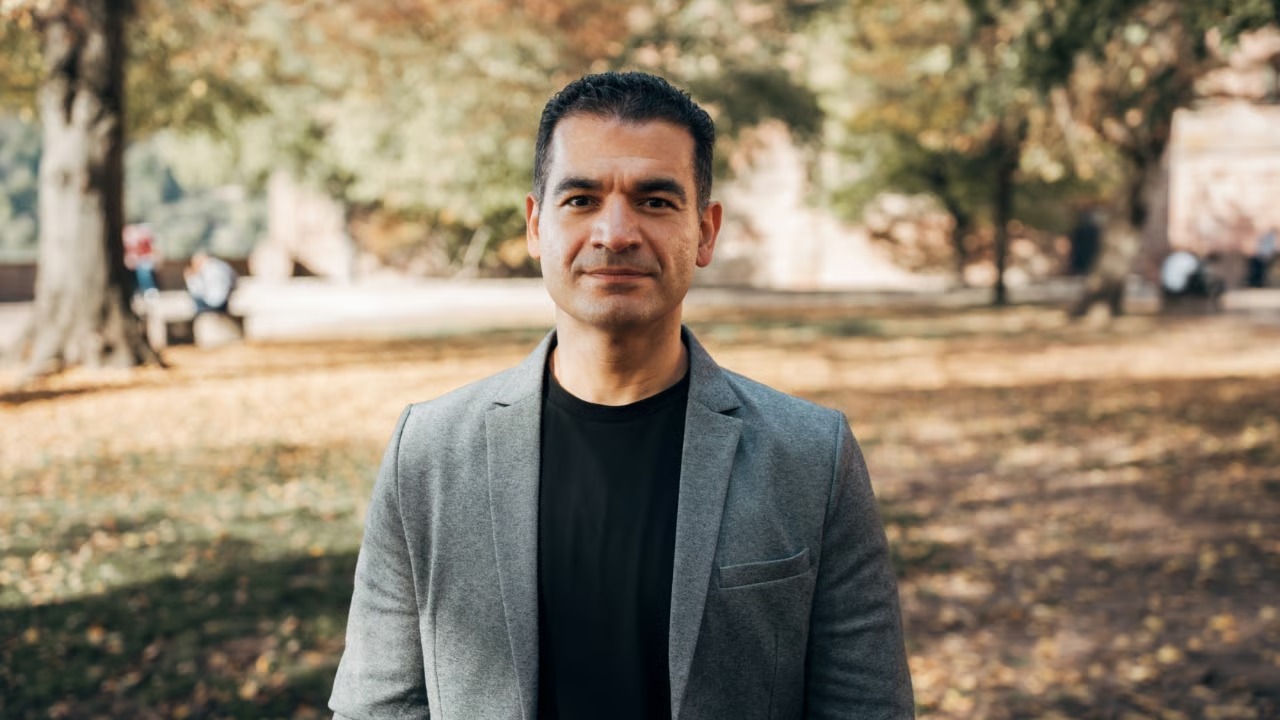
Leaving your comfort zone is practically mandatory these days. But is the comfort zone really always a bad thing? In the 13th episode of Project Mindset, Reza Mehman shares his personal journey from his first blog post to his own podcast and explains why he believes in an 80/20 rule for comfort and growth. He shows that there are areas of life where comfort and a lack of risk are perfectly acceptable, such as with family, friends, or in sports. At the same time, he makes it clear why the well-known quote, “Your hustle brought you to this level. But it won’t bring you to the next level,” contains so much truth. This episode is an honest account of how to gradually expand your comfort zone without overextending yourself.
Summary
In one sentence: The comfort zone is not inherently bad, but deliberately leaving it 20 percent of the time is the key to personal growth.
Short summary: Reza Mehman explains why the comfort zone has its place in certain areas of life, such as family and friendship. At the same time, he uses his own journey from blogging to LinkedIn to podcasting to demonstrate how one can grow step by step. His core principle: 80 percent comfort zone, 20 percent conscious all-in for growth.
Detailed summary: In episode 13 of Project Mindset, Reza Mehman discusses the often negatively connoted concept of the comfort zone. He argues that comfort and a lack of risk are perfectly fine in certain areas of life, such as home, family, and sports. At the same time, he emphasizes that growth and comfort cannot coexist and that one must consciously step outside their comfort zone to reach the next level. Using his own story, he demonstrates how small steps can lead to big changes. With the 80/20 rule, he recommends investing 20 percent of one’s time specifically in growth and new challenges, instead of pushing oneself to the limit every day.
Context: Who, What, Why
Who is speaking: Reza Mehman, host of the Project Mindset podcast, entrepreneur and mindset enthusiast, who shares his experiences from his own founding story and personal development.
What is it about: The question is whether one really always has to leave their comfort zone, and how one can grow gradually with a conscious strategy without overexerting oneself or neglecting important areas of life.
Why is this relevant? In a world that constantly calls for optimization and pushing boundaries, this episode offers a nuanced perspective: Not everything has to be permanently uncomfortable, but targeted growth requires the courage to occasionally leave one’s comfort zone.
Three key questions of the episode:
- In which areas of life is staying within your comfort zone perfectly acceptable, and where should you consciously leave it?
- How can you grow gradually without completely overwhelming yourself?
- What does the 80/20 rule mean in terms of comfort zone and personal growth?
Table of contents
- Introduction – What this episode is about
- Summary – The episode in brief
- context – Background and key questions
- Topics and classification – The most important topics
- Key messages – The central messages
- Frequently Asked Questions – Answers to typical questions
- Highlight quotes – The most concise statements
- Transcript – The full transcript
- Keywords – Relevant search terms
- Names and terms – List of important references
- Quotable passage – For sharing and quoting
Topics and classification
1. Consider the comfort zone in a differentiated way
Reza Mehman argues that the comfort zone shouldn’t be viewed negatively across the board. In areas like family, friendship, and home, comfort is perfectly legitimate and even essential for well-being.
Keywords: comfort zone, convenience, risk-free
2. Gradual growth instead of overexertion
Using his own journey from blogging to LinkedIn posts to podcasting, Reza shows how to break down big goals into small, manageable steps. Each step expands your comfort zone a little further.
Keywords: gradual growth, small steps, personal development
3. The 80/20 rule for comfort zone and growth
Eighty percent of the time can be spent in one’s comfort zone; 20 percent should be consciously used for growth and new challenges. This balance prevents burnout and enables sustainable development.
Keywords: 80/20 rule, Pareto principle, sustainable growth
4. Delaying pressure and procrastination
Postponing change and deferring challenges is one of the greatest dangers to personal growth. Those who know what to do shouldn’t wait.
Keywords: Delaying Pressure, Prokrastination, Veraenderung
5. Growth and pain belong together
Even the best athletes like Muhammad Ali and Usain Bolt hated their training. Growth requires pushing yourself to your limit, and that’s not always pleasant, but it’s temporary.
Keywords: Growth and pain, exceeding limits, training
Key messages
- The comfort zone is fully justified in certain areas of life such as family, friendship and home.
- The quote “Your hustle brought you to this level, but it won’t bring you to the next level” sums up why you need to evolve.
- Growth and comfort cannot coexist.
- The 80/20 rule is a sensible approach: 80 percent comfort zone, 20 percent conscious growth.
- A step-by-step approach is the key to achieving major changes without overwhelming the individual.
- Delaying pressure, or postponing challenges, is one of the greatest dangers to personal development.
- If you think you have everything under control, you’re not driving fast enough.
- Even the most successful athletes in the world have hated their training because real growth requires pain.
- On the way to achieving your goal, you automatically learn in areas that you hadn’t originally planned.
- You don’t have to go all in every day, but you should consciously create moments where you leave your comfort zone.
Frequently Asked Questions
Is the comfort zone always a bad thing?
No. According to Reza Mehman, there are areas of life, such as family, friendship, home, and sports, where staying within one’s comfort zone is perfectly fine and even essential for well-being. Not every aspect of life needs to be constantly challenging.
What does the 80/20 rule mean in relation to the comfort zone?
Reza recommends spending 80 percent of your time in your comfort zone, i.e., in safe areas such as family and friendship, and consciously using 20 percent of your time for growth and new challenges.
What is delaying pressure?
Delaying pressure describes the tendency to postpone challenges. People know what needs to be done but keep putting it off. Reza Mehman considers this very harmful because it delays growth and happiness.
How can you gradually leave your comfort zone?
Reza uses his own example to show how he grew in small steps: first a blog, then LinkedIn posts, then a podcast with a partner, then a solo podcast, and finally video recordings. Each step expands his comfort zone a little further.
What does “Your hustle brought you to this level, but it won’t bring you to the next level” mean?
This quote means that past efforts have brought you to your current point, but to move forward, you need to do something different or new. The same strategies won’t be enough to reach the next level.
Must growth always be associated with pain?
According to Reza, pain or discomfort is often part of the growth process. Even world-class athletes like Muhammad Ali and Usain Bolt hated their training. The important thing to know, however, is that this pain is temporary and worthwhile.
Should you always leave your comfort zone immediately?
Not necessarily. Reza recommends a gradual approach and avoiding hasty actions. You don’t have to go all in every day, but should consciously create moments to work on your growth.
What does Reza Mehman’s podcast development have to do with the comfort zone?
Reza uses his own podcast journey as an example of how to break down big goals into small steps. From blog articles to LinkedIn posts to a solo podcast, he gradually expanded his comfort zone instead of taking a big leap all at once.
Selected statements from Reza Mehman
“Your hustle brought you to this level, but it wo n’t bring you to the next level. So everything you’ve done has brought you here, where you are. But it won’t take you to the next level.”
“Growth and comfort do not coexist.”
“I think there are areas in life where staying in your comfort zone is actually a good thing. For me, for example, my home, my family, my friends, my sport.”
“If they think they have everything under control, then they’re not driving fast enough.”
– Reza Mehman (quoting a Formula 1 driver)
“They hated every second of training. They didn’t actually want to do it. And yet, they were one of the best athletes of all time.”
– Reza Mehman (on Muhammad Ali and Usain Bolt)
“I actually think that in order to continue growing, you have to do something different every now and then, jump over your own shadow, run out of your comfort zone, so to speak.”
“To consciously say 20 percent of the time, okay, I’m going to take this 20 percent of my time and go all in there. That’s where I want to grow.”
The full conversation
Hi everyone, this is Reza Mehman, and you’re listening to the 13th episode of the Project Mindset podcast. About two years ago, I had the initial idea to start an interview format, which I then published as a video on YouTube, where I interview other people about their mindset and also share some of my own experiences related to mindset. I have to say, for the time, it was a relatively big step to say, “Hey, I have absolutely nothing to do with social media, nothing to do with YouTube and all that.”
To suddenly have to record a video with someone else and publish it, where I’m talking to the camera alone for a long time, well, that was a really big step for me. I thought about how I could make that step a little smaller, so to speak, try things out first, and then continue to grow. My very first thought was, okay, it doesn’t have to be a YouTube video right away, I can start with a small blog. So I created a website for myself, rezamehman.com, feel free to check it out, it’s still there, and I wrote and published individual blog posts there. And I actually had this nagging feeling in my head, wow, I hope not too many people see this, because I’m still experimenting, because I’m still in the experimenting phase.
From blog article to public post
Once I’d published my first articles and felt reasonably comfortable with the platform, I thought, okay, now for the second step: I’ll post something on LinkedIn. You should know that I really enjoy using LinkedIn, much more than Facebook or Instagram. I figured I’d just link my articles there, write something about them, like, “Hey everyone, I’ve written something here, check it out.” Once I felt comfortable with posting on LinkedIn, I started wondering, what’s the next step?
The next step for me, because I knew I wanted to eventually have a video or some kind of video format, was to start a podcast, not alone, but with someone else, to also benefit from each other’s credibility. I had this feeling, “Wow, why would anyone listen to me on my own, and what would others think of me if I suddenly started a podcast?” An acquaintance of mine became the person I asked: Stefan, who works at the university in Ludwigshafen. I told him honestly, “Stefan, I’d really like to start it. It feels very uncomfortable to me. It would be great if you, as a professor, bring credibility and professionalism to the table, could do it with me. We’d invite individuals for interviews, and that’s how we’d grow together.”
Gain new experiences with video and podcast
Stefan thankfully said yes, and that’s how the first Innovation Mindset podcasts started, including video. We released several episodes there, and then it was clear to me: okay, now I feel reasonably comfortable again. I’ve also developed the mindset that I don’t care what other people think of me, whether they like it or not. I can actually start speaking into a microphone on my own now. That’s how Project Mindset came about, so now we’re getting closer to the thing I actually wanted to tackle two years ago.
And yes, the first episodes have been recorded and released. I feel quite comfortable speaking into the microphone on my own again. Speaking into a microphone for 15 minutes alone in a room felt very strange. There was nobody to talk to. I really had to get used to that. But now I felt so comfortable that I actually recorded the first interview on location with someone else. That’s a video we made, and it will be released relatively soon.
Take the next step gradually.
That was basically the next step for me. And once I’ve recorded two or three more episodes, I’ll move on to the next step, and then maybe I’ll even dare to speak into the camera alone for 20 minutes. So, instead of just a podcast, I’ll also make a video at the same time. Why am I telling you this? Today’s topic is the comfort zone. And I have to say, I feel like these days, saying you’re in your comfort zone has a slightly negative connotation. Instead, everyone’s talking about leaving your comfort zone, every single day.
On the one hand, I think there’s a good reason for it. I also think it makes sense to leave your comfort zone now and then. But on the other hand, there are areas in life where the comfort zone is actually quite good. For me, for example, my home, my family, my friends, my sport. To be honest, I feel comfortable there. I don’t have to go all in every day, try something new every day, or start something new every day, because it’s an area of my life where I can say, hey, I can chill out a bit and don’t have to be 100 percent committed all the time.
What is needed for the next stage of development
But then there are also areas in life where I know it makes sense to take things to the next level. And there’s a quote that’s really given me a lot to think about. The quote is, “Your hustle brought you to this level, but it won’t bring you to the next level.” So, everything you’ve done has brought you here, where you are. But it won’t take you to the next level. I actually think there’s something to that. Everyone knows how much effort they’ve put in to get to where they are now.
When it makes sense to leave your comfort zone
But I actually think that to continue growing, you have to do something different every now and then, step outside your comfort zone, so to speak. The comfort zone is, as I said before, an area in life where, let’s say, convenience and a lack of risk are the key terms. So, an area where you don’t really have to be afraid if you just do nothing or don’t try anything new. It’s not even that noticeable if something goes wrong.
On the other hand, how can I grow and simultaneously stay in my comfort zone? And I think that’s precisely what doesn’t work. There’s another quote I really like: “Growth and comfort do not coexist.” I find that very interesting because, for me, growth is one of the cornerstones of life. I don’t want to get philosophical, but I’ve always thought, for example, that the universe is always growing.
There are theories that it will implode at some point, but let’s just say it will continue to grow. And I think that in every area, even in our everyday lives, it’s mostly about growth. We want to get bigger. When you’re tall, you have children yourself, and you make sure they grow taller. So it’s always about growth. For some people, it’s just that they say that growth is perhaps too fast for them. They would rather grow small and in small steps.
My personal balance between security and growth
And for some, growth can’t happen fast enough. Personally, I think you should adopt an 80/20 rule, so to speak. 80 percent of the time—it might sound a bit excessive, but when you think about it, 80 percent of the time could be a comfortable comfort zone. I’m talking about home, family, sports, and so on. Friends. But 20 percent of the time, consciously say, “OK, I’m going to take this 20 percent of my time and go all in. That’s where I want to grow.”
I actually think there’s nothing wrong with trying things out, because we’re always trying to avoid pressure. There’s a great term for this: delaying pressure. Many people think, “Wow, I don’t necessarily have to tackle my new topic today; I’ll do it sometime in the future.” Sometime in the future, yes, that’s when I’ll tackle the new topic. That’s when I’ll step out of my comfort zone, and that’s where I’ll be happy. Actually, I think delaying pressure is a very bad thing.
Don’t always postpone important changes
I think, of course, that if you know what you actually have to do to be happy, to grow, then it’s incredibly detrimental to do nothing. That means you have to break through that cycle and realize that you have to approach the work accordingly. Then comes the point I mentioned earlier. For some, it’s too fast, or the changes are too rapid, and then they believe they’ve lost control. But there’s a great quote from a very successful Formula 1 driver who said that if you think you have everything under control, then you’re not driving fast enough.
I found that analogy extremely fascinating and beautiful because, in Formula 1, I believe you don’t always have everything under control, because it’s just so fast. Growth is also partly associated with pain. And there’s one of the greatest boxers of all time, Muhammad Ali, and also the fastest man in the world, Yusem Bolt, who both said—interestingly, when I saw it—that they hated every second of training. They didn’t actually want to do it.
Why training can also be uncomfortable
I found that interesting because they were among the best athletes of all time, yet they hated training. But when you think about it, it’s not surprising that they hated training, because they had to push themselves way out of their comfort zone in every single session and reach their absolute limit, if not exceed it. And of course, it’s no fun having to give 100% in every training session, every single time, for 11 or 12 months of the year.
This means that leaving your comfort zone is unfortunately also painful. But I don’t think it’s so bad because you know it’s only for a limited time. You don’t have to go all in every day. And if you also make sure that you have areas in your life where you’re in your comfort zone, like family and friends, sports, and so on, then it’s perfectly fine to say, hey, for 20% of my life I’m going all in outside my comfort zone.
Learn step by step instead of overwhelming yourself.
I gave you the example from the previous one, where I gradually took the plunge and started publishing my podcast. I’m still on that path. You learn an incredible amount along the way, I have to say. I’ve had to grapple with new topics, like microphones and the technology behind them. So, in addition to the actual growth I had planned, I also gain growth in other areas. But what I’m trying to say is that I’ve done it step by step. I also went completely all in on new things at one point in my life, like my startup back then.
That was obviously a huge step out of her comfort zone. I wouldn’t recommend it to everyone, but an acquaintance of mine actually took the plunge recently. She left her job. She realized she absolutely didn’t enjoy it anymore. And that was demotivating for her, so she took the leap, despite the current, difficult situation, and became self-employed. So, my sincere congratulations to her. I have the utmost respect for her taking the leap and becoming self-employed in such a challenging situation.
Consciously examine one’s own life areas
Exactly, the best thing to do is to think about where in your life you’re currently in your comfort zone. But where does it make sense to step out of your comfort zone because you feel like you need to reach the next level in your life? Even if it’s in the area of mindset. You don’t have to push yourself to the absolute limit with sports, work, or whatever. Sometimes it’s enough to address mindset-related issues that are, well, let’s say, not so much fun or even painful, because it’s an area where you’re very sensitive.
Sitting down and reflecting – these are also steps you can take to step outside your comfort zone, by thinking about things where you know you have a weakness, where you might have a few things you need to work on and improve. Perhaps this also applies to collaboration or interactions with other people. Often, as I know from personal experience, we have weaknesses that we can work on. So, what I wanted to make clear with today’s episode is that I wouldn’t always associate the comfort zone with such a negative connotation. There are areas in life where the comfort zone is perfectly fine.
Finding the right level of challenge
You should do things you feel comfortable with. But one thing I know for sure: to reach the next level, you really have to leave your comfort zone. So, I think the 80/20 rule is quite good, and it’s important to be aware of the putting pressure on yourself. It makes no sense to constantly say, “I’ll do it tomorrow,” “I’ll do it the day after,” or whatever. If the step is actually too big, you can perhaps break it down into smaller steps and start small. I gave you the example with the podcast.
I actually tried it that way first too. But it really depends on the person and how they want to do it. I hope you enjoyed the episode. As always, it’s a very short episode. And if you have any questions, comments, or anything else, just write to me at halloatprojectmindset.de. The channel can only grow if you share it here and there, subscribe to the channel, and tell your friends about it. Like I said, if you have any questions, just write to me. I’m looking forward to the next episode.
Don’t forget, mindset is everything.
This transcript was automatically generated using Whisper AI and may contain occasional errors.
Keywords
Tags: Comfort Zone, leaving your comfort zone, personal growth, 80/20 rule, mindset, delaying pressure, growth mindset, self-development, next level, step by step, project mindset, Reza Mehman
Names and terms
Reza Mehman, Project Mindset, Innovation Mindset Podcast, Stefan (Professor at Ludwigshafen University of Applied Sciences), Muhammad Ali, Usain Bolt, Formula 1, LinkedIn, YouTube, Comfort Zone, Delaying Pressure, Growth and Comfort, 80/20 Rule, Pareto Principle, Startup, Self-employment, rezamehman.com
Quotable passage
“The comfort zone is not inherently bad. There are areas of life where convenience and security have their firm place.”
“But growth and comfort cannot coexist. Anyone who wants to reach the next level must consciously step out of their comfort zone.”
“The 80/20 rule helps: You should feel good 80 percent of the time, but you should use 20 percent specifically for growth.”
“You don’t have to take the big leap right away. A gradual approach, expanding your own zone step by step, is the sustainable way.”
You can find more episodes and personal insights at Project Mindset.