Personal Development Zombie
Why insights are worthless without internalization and how to retain mindset topics permanently
Introduction
The term “Personal Development Zombie” describes a phenomenon familiar to many people engaged in personal development: jumping from one mindset topic to the next without truly internalizing the content. In the tenth episode of Project Mindset, Reza Mehman speaks candidly about how he himself fell into this trap, running from one podcaster, YouTuber, or book to the next without retaining the insights long-term. What good is an insight that’s already forgotten the next day? Reza shares three concrete methods he uses to ensure that mindset topics aren’t just consumed, but actually internalized. From the formula “information plus emotion equals long-term memory” to journaling and everyday triggers, this episode offers a practical guide to sustainable personal growth. Anyone wanting to develop a genuine growth mindset will find valuable inspiration here to break out of the cycle of superficial consumption.
Summary
In one sentence: A “Personal Development Zombie” constantly consumes new mindset content without internalizing it. But this can be prevented with three methods: connecting emotions with information, journaling, and incorporating triggers into everyday life.
Short summary: Reza Mehman describes how he himself jumped from one mindset topic to the next without retaining the insights long-term. He presents three strategies to counteract this: First, the formula “information plus emotion equals long-term memory”. Second, regular journaling with monthly summaries. And third, incorporating triggers into everyday life. These methods help to not only consume mindset insights but to truly live them sustainably.
Detailed summary: In the anniversary episode of Project Mindset, Reza Mehman warns against the “Personal Development Zombie,” the phenomenon of constantly consuming new mindset content without truly retaining any of it. He reflects on how he himself absorbed content from creators like Tom Bilyeu, Jay Shetty, and Andy Frisella for months without sustainably internalizing the core messages. As a first countermeasure, he recommends linking each new piece of information to a personal emotion or story, as this combination leads to long-term memory. Second, he emphasizes the value of daily journaling, in which insights are recorded and summarized at the end of the month. Third, he advises incorporating triggers and reminders into everyday life to actively apply insights like “Zero Expectations” in real-life situations.
Context: Who, What, Why
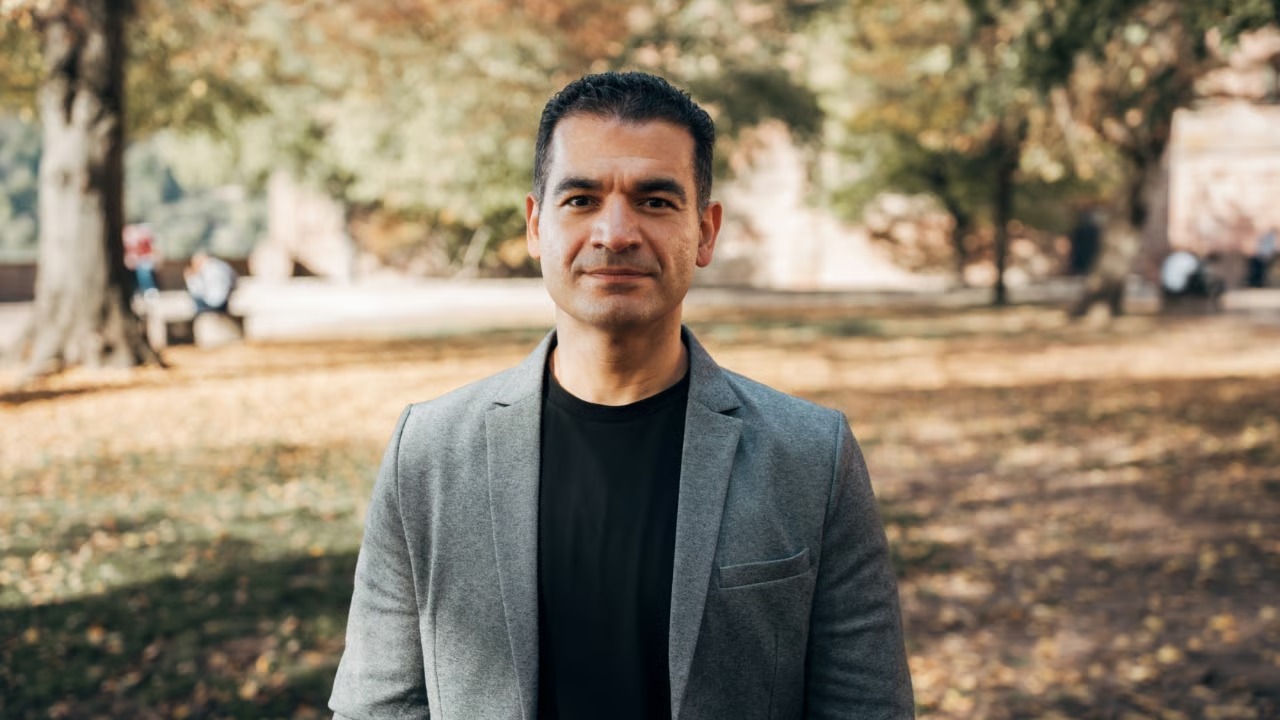
Who is speaking: Reza Mehman, host of the Project Mindset podcast, shares personal experiences and strategies for self-development in this anniversary episode.
What is it about: It addresses the problem of superficially consuming mindset content without truly internalizing it, and three concrete methods to break this pattern.
Why is this relevant? In a world saturated with podcasts, books, and YouTube videos on personal development, there’s a risk of getting caught in an endless cycle of consumption. The methods presented here offer a practical approach to sustainable growth.
Three key questions of the episode:
- What is a “Personal Development Zombie” and how can you recognize this pattern in yourself?
- How can mindset insights be permanently anchored in long-term memory?
- What specific methods help to actually apply new insights in everyday life?
Table of contents
- Introduction – What the Personal Development Zombie is about
- Summary – The episode in brief
- context – Background and relevance of the episode
- Topics and classification – The central topics
- Key messages – The most important messages
- Frequently Asked Questions – Answers to key questions
- Highlight quotes – The most concise statements
- Transcript – The complete episode to read again
- Keywords – Relevant search terms
- Names and terms – Overview of mentioned items
- Quotable passage – For sharing and quoting
Topics and classification
1. The problem of superficial content consumption
Many people interested in personal development jump from one source to the next without processing the content. Reza describes how he himself consumed content from various influencers for months without retaining the core messages.
Keywords: Content consumption, personality development, growth mindset
2. Information plus emotion equals long-term memory
Linking new information to personal stories and emotions is key to anchoring knowledge in long-term memory. Personal experiences make abstract concepts tangible and unforgettable.
Keywords: Long-term memory, emotions, learning techniques
3. Journaling as a tool for internalization
Daily journaling with monthly summaries helps to capture insights and reflect regularly. Reza emphasizes that the value of journaling is completely underestimated.
Keywords: Journaling, self-reflection, monthly summary
4. Triggers and memories in everyday life
Calendar entries and everyday situations serve as triggers for actively applying mindset insights. Using real-life situations as a training ground for new ways of thinking is particularly effective.
Keywords: Everyday triggers, habits, application
5. Sustainable growth instead of superficial motivation
True personal growth doesn’t come from the quantity of content consumed, but from the depth of engagement with individual topics. Insights without recollection are like no insights at all.
Keywords: Sustainable growth, internalization, self-development
Key messages
- A “Personal Development Zombie” jumps from one mindset topic to the next without truly internalizing the content.
- Having knowledge and not remembering it is practically the same as having no knowledge at all.
- The formula “information plus emotion equals long-term memory” helps to keep mindset topics permanently in mind.
- Personal stories and experiences make abstract mindset concepts unforgettable.
- Daily journaling for ten to fifteen minutes is one of the most effective tools for self-development.
- Monthly summaries of the most important findings provide a valuable overview.
- Everyday situations can serve as natural triggers to actively apply mindset insights.
- The core statements of various mindset experts are surprisingly similar, no matter how different their personalities are.
- Running from one topic to the next consumes an enormous amount of energy and brings little sustainable benefit.
- It’s not about consuming more content, but about processing existing knowledge more deeply.
Frequently Asked Questions
What is a Personal Development Zombie?
A personal development zombie is someone who constantly jumps from one mindset topic to the next, reading books, listening to podcasts, and watching videos without truly internalizing the insights. They crave one source after another without ever feeling satisfied, essentially starting from scratch with each new topic.
How can I retain mindset insights permanently?
Reza Mehman recommends the formula “information plus emotion equals long-term memory.” This means linking every new piece of knowledge to a personal story or emotion. For example, if you learn something about zero expectations, connect it to a specific situation from your life in which this topic played a role.
How does journaling help with personality development?
Journaling helps to record insights in writing and reflect on them regularly. Reza Mehman recommends writing for ten to fifteen minutes daily, noting the most important thoughts and insights, and creating a summary at the end of the month. Regularly rereading the old entries keeps the insights fresh in your mind.
What are triggers in the context of personality development?
Triggers are reminders or everyday situations that prompt you to actively apply your mindset insights. These can be calendar entries, for example, practicing gratitude for five minutes at 7 a.m., or natural everyday situations, such as when your expectations are not met and you remember “Zero Expectations”.
Why isn’t it enough to simply consume many books and podcasts on self-development?
Simply consuming information without internalizing it leads to insights being forgotten the very next day. According to Reza Mehman, insights that aren’t remembered are essentially worthless. It’s not about the quantity of content consumed, but about the depth with which one engages with individual topics and applies them to everyday life.
What does the fire and forget mentality mean?
The “fire and forget mentality” describes the approach of absorbing an insight and then immediately forgetting it without pursuing or applying it. Reza Mehman warns against this because insights without follow-up and regular repetition have no lasting value.
Which mindset experts does Reza Mehman mention in this episode?
Reza Mehman mentions Tom Bilyeu, Jay Shetty, and Andy Frisella as examples of podcasters and YouTubers who talk about mindset topics. He emphasizes that while these personalities are very different in style, they share similar core messages on topics such as gratitude and expectations.
Selected statements from Reza Mehman
“I believe in this formula: Information plus emotion equals long-term memory.”
“What good is an insight if I’ve already forgotten it tomorrow? Then the insight is essentially worthless.”
“Having knowledge and not remembering it is practically the same as having no knowledge at all.”
“I think the value of journaling is completely underestimated.”
“I don’t want to run from one topic to another, somehow not taking any notes, not internalizing what’s happening, and then with the next one I have to pretend I’m starting from scratch.”
“I’m using the trigger that just happened to remind myself of what I actually intended to do.”
“Don’t forget: Mindset is everything.”
Transcript
The full conversation
Hi everyone, this is Reza Mehman, and you’re listening to the tenth episode of the Project Mindset podcast. Yes, that’s right, it’s practically a milestone birthday for Project Mindset—the tenth episode. I have no intention of stopping anytime soon, and I’d like to take this opportunity to thank you all again for your support. Messages arrive in all sorts of ways, from WhatsApp voice messages to notes on LinkedIn. I think that’s really cool, and when I listen to the messages, I notice that everyone naturally focuses on the topics that are relevant to them at that particular stage of their lives.
So, for example, if someone is in their career phase, they pay attention to different issues than someone who, for example, wants to build their family in some form or is currently in the process of family planning. That’s naturally the case for me as well.
Of course, I also make sure that the topics I look at are a good fit for me. That fits in with the title topic of today’s podcast, namely “Personal Development Zombies.” “Personal Development Zombies” is definitely a strange term, but it reflects what I definitely want to avoid. Specifically, I don’t want to be running from one mindset topic to another, or from one podcaster or YouTuber I’m watching, or from one book I’m reading to another, without really internally absorbing what was actually discussed about the topic itself.
When new content displaces old knowledge
That’s why the cover story, “Personal Development Zombie,” fits quite well; it’s actually about me as a person. I don’t want to rush from one topic to the next, not taking any notes, not recording what’s happening internally, and then pretending to start from scratch with the next one. That takes an enormous amount of energy. And I think it’s also completely pointless to claim that you want to have a growth mindset, that you want to grow.
That was actually the case for me for a long time. I listened to various people, for example, Tom Bilio, Jay Shetty, and Andy Frizzella. They’re all different types of people—they’re all podcasters or YouTubers who talk or write about mindset. While they’re all very different in style, the core messages are naturally very similar. Topics that I also discuss myself, topics that are extremely relevant to me, such as gratitude or zero expectations, and so on, are also covered in their discussions.
But I’ve noticed that I used to jump from one person to another, consuming content from that person for two or three months, and then hearing something completely different from someone else. Then I moved on again, and that’s when it really hit me. Hey, if I don’t internalize the content, if I don’t internalize the insight, and then forget it the next day, then the insight is essentially worthless.
To truly internalize knowledge
And that’s what today is about. I want to ensure that I continue to grow in terms of mindset. I basically sum this up with the term “Personal Development Zombie.” It’s kind of an alert for me. If I feel like, “Wow, I haven’t grasped this topic,” and I’m already moving on to the next one, then I tell myself I don’t want to become a Personal Development Zombie. I try to do this in various ways. And I’d like to briefly discuss these ways today.
These are basically just three points I regularly use to ensure I’ve actually understood a topic. And I hope they help you too, of course. The most important way I retain new content, mindset-wise, is by always trying to connect an emotion with the information I’ve heard, because I believe in the formula: information plus emotion equals long-term memory. So, for example, if I’ve heard a podcast about zero expectations, I connect my own stories and emotions with those stories so I definitely don’t forget it.
Using personal stories and emotions
And perhaps you’ve also noticed that in most podcast episodes I actually share very personal stories about myself, because those are the things that really stick with me. It’s easy to just say “zero expectations” or “gold nuggets.” But if I have a story behind it, something that actually happened to me and triggered a stronger or more powerful emotion, then I’m absolutely certain that I’ll still remember it ten years from now.
So don’t forget, information plus emotions equals long-term memory. That’s the best way to keep mindset topics to yourself. The other thing. This is very important to me, is that there’s such a thing as a fire and forget mentality, which is basically what I said before. What good are insights if I’ve already forgotten them tomorrow? That’s why I’m a big fan of journaling. I talk about it regularly in a podcast here, but I think the value of journaling is completely underestimated.
Record insights through journaling
So, I do journaling almost every day. I set aside ten to fifteen minutes each day. I simply jot down the most important things for me or just let my thoughts flow freely. But I also summarize the topics. For example, if I have a new insight that happened on February 2nd, at the end of the month I try to summarize my insights for February so I have a clear overview. Hey, that was my insight! And I also try to reread the old notes I wrote down and bring the insight back to mind.
What I also continue to do. This is the third point, is try to incorporate triggers into my daily life so that I can actually apply this insight. The simplest trigger is, of course, the topic of gratitude and calendar entries. I talked about this in the corresponding podcast episode. It’s the simplest thing to just make calendar entries. Hey, at 7 a.m., spend five minutes on the topic of gratitude. But what’s much more effective, for example, when I’m working towards zero expectations, is addressing the fact that I often have high expectations of my partner or friends, and so on.
Use everyday situations as reminders
And if a point comes where my expectations aren’t met, then I simply remind myself of the Zero Expectations mindset. Hey, I actually intended to have no expectations. That means I use the trigger that just happened to remind myself of what I originally intended. Exactly, those were the most important points for me to say, “Hey, I’m not a personal development zombie.” I don’t read something, forget it the next day, because I’m convinced I’ve gained insights and then can’t remember them.
That’s practically like having no insights at all. Yeah, folks, as always, a very short episode. I’ll actually be recording and uploading a few more podcast episodes in the future because I have to say, I have so many more topics I want to discuss with you. I always look forward to your feedback. Anyway, here’s a very brief summary of this episode. So, as I said, to avoid becoming a personal development zombie, the best thing to remember is: information plus emotions equals long-term memory.
Create your own narratives around the mindset topics; this is the only way to consistently remember what you’ve understood. The second point was to avoid a “fire and forget” mentality. What good are insights if you forget them tomorrow? Keep a journal, including summaries of the most important insights, and review them regularly. The final point was to incorporate a trigger or simple reminder into your daily routine so you can regularly practice and apply your insights.
Feedback and conclusion
Alright everyone, I’m looking forward to your feedback as always. If you have any, just write to me at halloatprojectmindset.de. Have a great day and don’t forget, mindset is everything.
This transcript was automatically generated using Whisper AI and may contain occasional errors.
Keywords
Tags: Personal Development Zombie, Internalizing a Mindset, Journaling, Long-Term Memory, Growth Mindset, Personality Development, Self-Development, Fire and Forget, Zero Expectations, Gratitude, Mindset Insights, Project Mindset, Reza Mehman
Names and terms
Reza Mehman, Project Mindset, Tom Bilyeu, Jay Shetty, Andy Frisella, Personal Development Zombie, Growth Mindset, Zero Expectations, Gratitude, Journaling, Fire and Forget Mentality, Long-term Memory, Information plus Emotion, Triggers, Calendar Entries, LinkedIn, Instagram
Quotable passage
“A personal development zombie consumes endless personal development content without truly internalizing the insights.”
The formula, on the other hand, is: Information plus emotion equals long-term memory.
Those who link personal stories with new insights, practice daily journaling, and incorporate triggers into their daily lives will permanently anchor mindset topics.
Because having knowledge and not remembering it is practically the same as having no knowledge at all.
You can find more episodes and personal insights at Project Mindset.