Standing up for others: an archived Project Mindset post, originally published in 2021. Dates and roles reflect the original publication.
Episode 43: Why You Should Stand Up for Other People
Why taking a stand matters: a racist YouTube comment prompted a lesson about speaking up.
Introduction
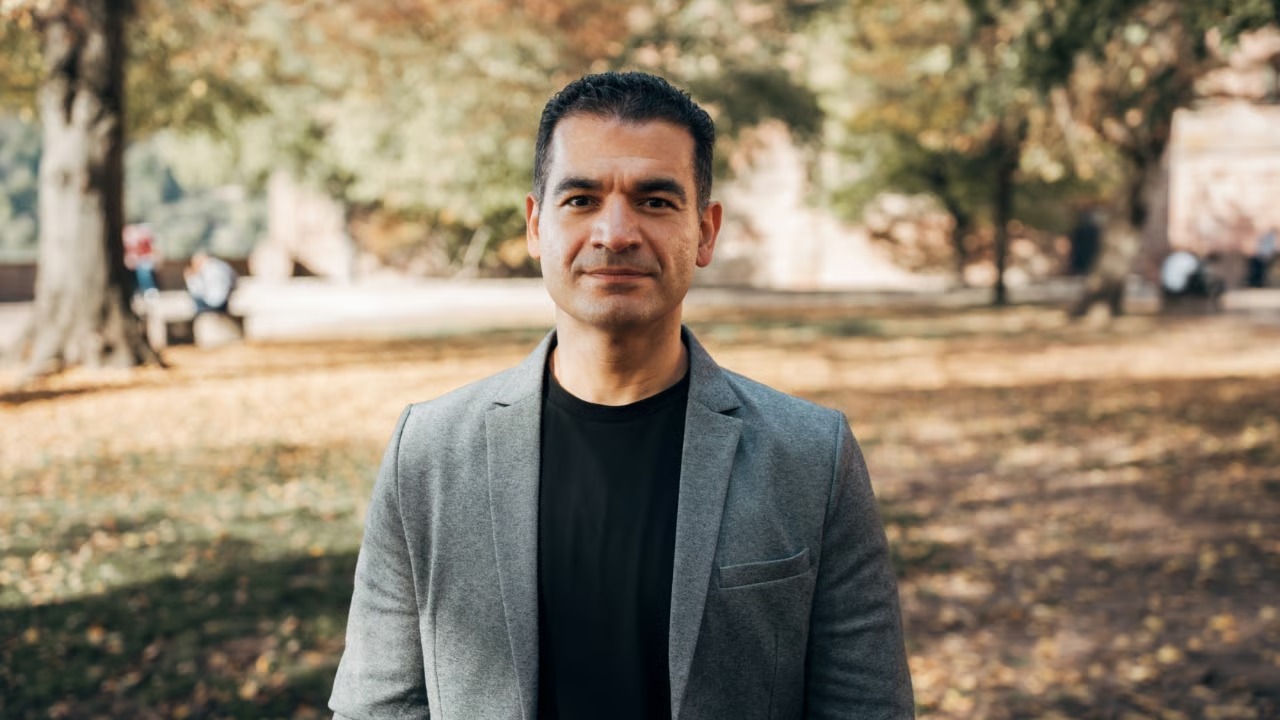
Standing up for others is more than a kind gesture; Reza describes it as a moral responsibility. After his Junior Soma interview about Black Lives Matter and life in Germany with a migration background, derogatory comments appeared. Should he delete, ignore or respond? A friend helped him understand why speaking up matters for people unable to defend themselves.
Summary
One sentence: Reza argues for speaking against racism and discrimination, especially on behalf of people who cannot speak for themselves.
Three sentences: His interview with Junior Soma attracted derogatory comments about Black people in Germany. A friend explained why silence can fail those unable to respond. Reza decided to state his perspective clearly in future.
Five sentences: Racist comments followed the interview. Reza initially considered deletion. Roughly 60% of his small Instagram poll favoured responding. A friend’s account of a Black single mother facing racism reinforced the issue. Reza concluded that those able to speak up should do so for those who cannot.
Context
Who: Reza Mehman, sharing personal experiences in a solo episode.
What: Responding to discriminatory comments and accepting responsibility for speaking up.
Why: Online racism is common; the episode considers how an individual response can challenge it.
Three questions: how should we respond to racist comments? Why does speaking against discrimination matter? For whom do we speak when others cannot?
Contents
Introduction; summary; context; themes; key takeaways; FAQ; quotes; full transcript; keywords; names; passage to share.
Themes
Courage and moral responsibility
A friend encouraged Reza to challenge discrimination, especially for people unable to defend themselves. Keywords: courage, responsibility, standing up.
Online racism and hate speech
Derogatory comments about Black people and Black Lives Matter form the example. Keywords: online racism, hate speech, negative comments.
Feedback as a creator
Reza describes uncertainty about deleting or answering and how he decided. Keywords: feedback, community management, creators.
Black Lives Matter and Germany
The Junior Soma interview explored experiences of Black people and people with migration backgrounds in Germany. Keywords: Black Lives Matter, migration, discrimination.
Growth through difficult situations
He wants to take a stand while avoiding making happiness dependent on external events. Keywords: personal growth, mindset, speaking up.
Key takeaways
- Reza sees speaking against discrimination as a moral responsibility.
- Some people cannot respond or are afraid to do so.
- His choice here was to leave the comment visible and clearly oppose it.
- You do not need to convince everyone; stating your perspective once can suffice.
- Some people deliberately polarise and spread negativity.
- Protecting inner happiness does not remove the importance of taking a stand.
- Roughly 60% of poll participants favoured responding.
- Standing up is a repeated choice, not a one-time act.
Frequently asked questions
Why respond to racist comments?
To support people who cannot or dare not respond themselves.
What prompted the episode?
Derogatory comments after the Junior Soma interview, and a conversation with a friend.
Delete comments or leave them?
In this situation, Reza and Junior preferred leaving them visible alongside a clear opposing response. This describes their decision, rather than a rule for every moderation situation.
Must every commenter be convinced?
No. Reza says clearly stating your perspective once can be enough.
Who is Junior Soma?
A Project Mindset guest who discussed Black Lives Matter, experiences in Germany and mindset.
What does standing up mean?
Using your voice against discrimination or injustice, particularly when those affected cannot.
What did the Instagram community say?
Roughly 60% of participants favoured responding.
How does this fit Project Mindset?
Reza wants inner contentment while accepting responsibility in important moments.
Memorable quotes — translated
Whenever you notice discrimination or racism, you have a moral responsibility to say something.
You also speak for people who cannot, are not allowed to, or are afraid to say something.
Some people are more vulnerable in a situation or have no opportunity to speak. Stand up for them.
It is about saying: stop, that is not right; that is not how we do things here.
I will not simply think about deleting it. I will respond and explain my perspective once.
I do not want my happiness to depend on external circumstances, but sometimes responding matters.
Full transcript
Hi everyone, and welcome to Project Mindset. Today is short. I want to share an experience I recently had, whether you call it something I had to or got to experience. In the previous episode, I interviewed Junior Soma. We discussed many interesting subjects, including Black Lives Matter and the situation of Black people and people with migration backgrounds in Germany.
It was fascinating and went beyond mindset. When I published it on the podcast and YouTube, a very derogatory comment appeared about Black people in Germany and Black Lives Matter. Initially, I did not know how to respond. I felt I should reply but wondered whether simply deleting it would be better.
I asked Junior. He said: Reza, leave it there. Other people should see that such people and attitudes exist, that people make derogatory comments about groups. Leave it visible. I thought he was right.
I also asked my Instagram community in a small poll. Most, roughly 60%, voted that I should say something against it.
Making my perspective clear
I responded and explained my view: thanks for your perspective, but I see it very differently. As expected, he replied quickly. I left that reply unanswered because I knew I could not convert him. The important thing was saying something.
Something interesting happened alongside that. A friend wrote on Instagram: Reza, you really must say something.
He explained that whenever you see discrimination or racism, you have a moral responsibility to challenge it. You are also speaking for people who cannot speak, are not allowed to, or are afraid to.
I have experienced that myself. My friend described seeing a Black single mother with a child face racism and being unable to defend herself in that moment.
Speaking for others
That is deeply sad and should not happen. I agree with him: anyone able to say something in the moment should do so.
It is sad that such attitudes exist. I think various groups deliberately use polarising statements to provoke discussion and spread negativity.
But my friend is right: we need to say something. That is today’s subject, standing up for other people. Some are more vulnerable or simply unable to speak in a particular moment. Those are precisely the people we should support.
I learned a great deal. My view today is that I will not simply think about deleting such a post. I will answer and state my perspective once, then leave it there.
The point is to say: stop, that is not right, my friend; that is not how we do things here.
Today was very short. I wanted to share this experience and acknowledge the negativity that sometimes appears. I try to keep my distance from it. By now, you know I do not want my happiness dependent on external circumstances.
Taking a stand at the right moment
Sometimes, however, it is important to respond to what happens around us, not only for ourselves but for those who cannot respond in that moment.
I hope you enjoyed the episode. If so, tell friends and family; that is how the channel grows. Thank you for listening. Until next time, remember: mindset is everything.
The source transcript was generated with Whisper AI and may contain errors. Clear errors and repetitions have been smoothed in translation.
Keywords
Standing up for others, courage, racism, Black Lives Matter, discrimination, speaking up, moral responsibility, negative comments, migration background, personal growth, mindset, Project Mindset, Reza Mehman, Junior Soma, hate speech.
Names and terms
Reza Mehman, Junior Soma, Project Mindset, Black Lives Matter, YouTube, Instagram, racism, discrimination, migration background, courage, hate speech, community management, Germany.
Passage to share
Reza believes that witnessing racism or discrimination brings a responsibility to speak. The aim is not to convince everyone, but to stand up for those unable to do so themselves. After derogatory comments on the Junior Soma interview, he resolved to respond with his perspective. Supporting others can require accepting discomfort.
More in the Project Mindset archive (German) and the Reza Mehman Podcast.