Sustainability in sport: an archived Project Mindset post, originally published in 2023. Dates and roles reflect the original publication.
Dinner im Schloss 2023: Sustainability in Sport and Sponsorship
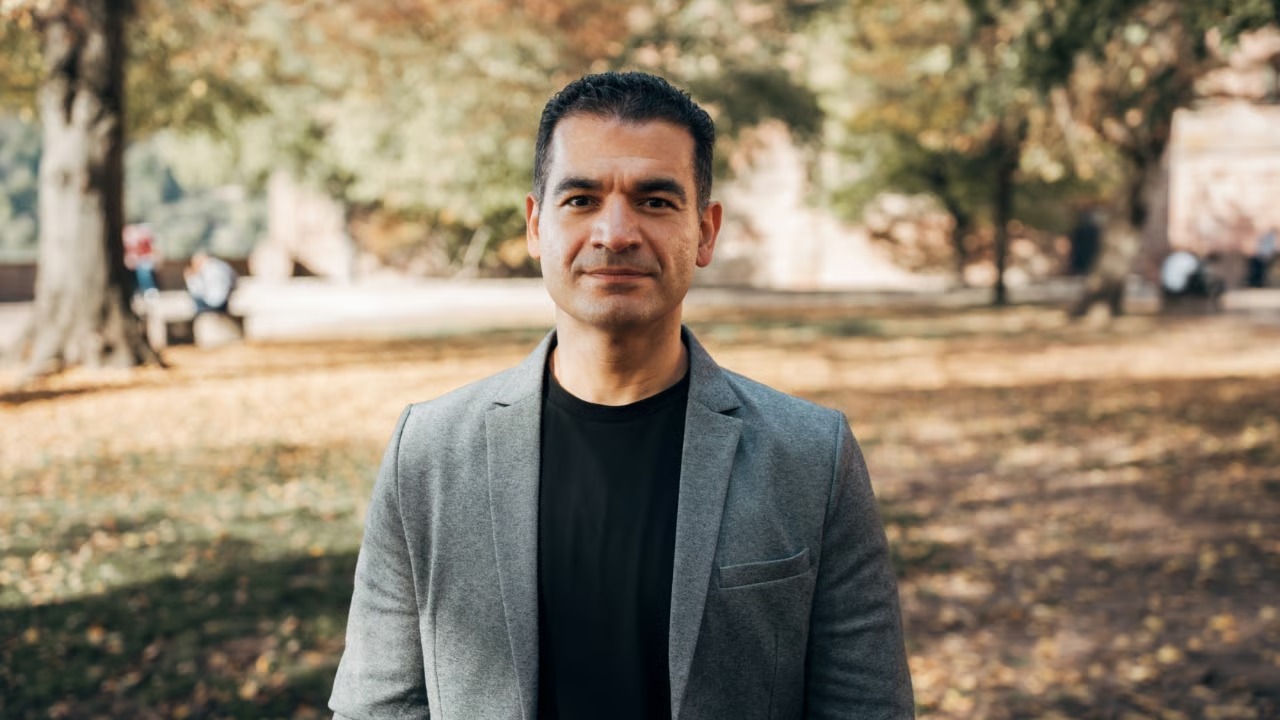
Sustainability in sport was the focus of the first panel at Dinner im Schloss 2023. Reza Mehman’s event brings decision-makers from different fields together to discuss major contemporary issues in a relaxed atmosphere. The 2023 edition asked where Germany stands internationally on sustainability.
Three panels explored different perspectives. This article covers the first: sustainability in sport and sports sponsorship. All roles, figures and future plans below reflect that 2023 discussion.
The speakers
- Dr Holger Blask, DFB Managing Director, represented an umbrella organisation with more than seven million members and around 24,500 clubs.
- Jennifer Kettemann, Managing Director of Rhein-Neckar Löwen, explained pragmatic action by a handball Bundesliga club with a small team of 15 employees.
- Lars Lamade, SAP Head of Global Sponsorships, offered the perspective of a global technology company involved in sport.
- Professor Dr Jan Mayer, Managing Director of TSG 1899 Hoffenheim, explained talent development as a sustainable business model and the club’s own climate ambitions.
Reza Mehman moderated.
The DFB: structures, statutes and EURO 2024
Blask described activity across national teams, competitions such as the DFB Cup, and regional associations. Section 4 of the DFB statutes already included sustainability principles, including responsible resource use.
Professional admission procedures, for example in the third division and women’s Bundesliga, incorporated sustainability requirements. For amateur clubs, the approach emphasised motivation and identifying resources released through more efficient processes.
Germany’s EURO 2024 was an upcoming challenge. Existing stadiums were already in regular use. According to Blask, the main carbon challenge was not infrastructure but domestic and international fan travel.
We do not play football to protect the environment. We try to deliver football as resource-efficiently as possible.
— Holger Blask, translated
He also stressed governance. Football transmits values, so leadership and internal structures should set an example.
Rhein-Neckar Löwen: pragmatic sustainability
Kettemann described a down-to-earth approach. Instead of beginning with a large carbon inventory, the club tackled obvious, immediately actionable issues.
Removing clappers: eleven tonnes of waste
One example was removing folding cardboard clappers carrying sponsors’ advertising. Their special B1 coating meant they ended up as residual waste after matches. The club calculated around eleven tonnes per season and stopped using them. Kettemann said it was then the only league club to take that step.
We calculated eleven tonnes of residual waste alone. I said: everyone has their own hands.
— Jennifer Kettemann, translated
Some fans complained about losing part of the home-match atmosphere, during an already difficult sporting period. She persisted.
If you believe in something, you have to see it through.
— Jennifer Kettemann, translated
Further measures
The club installed LED lighting in its training hall, replaced plastic bottles with water dispensers and used rail rather than charter flights for away matches, including Mannheim–Berlin and Mannheim–Hamburg.
Social responsibility also mattered. Diversity and anti-racism initiatives included special shirts and Diversity Day activities. At one match, only German players initially entered the court, prompting the question: what would our sport be if it included only Germans?
We are colourful and diverse. That is in our DNA.
— Jennifer Kettemann, translated
SAP: sustainability in sponsorship decisions
Lamade explained how SAP assessed prospective partnerships. There was not yet a formal checklist, but sustainability was part of the evaluation. Completely disregarding it could rule a partner out.
If a partner said sustainability did not interest them, that would probably be a reason to exclude them.
— Lars Lamade, translated
As almost all sports organisations were addressing the subject, credibility mattered. He cited the Löwen’s clapper decision positively: SAP agreed immediately after hearing the rationale, despite the SAP-branded clappers being effective promotional tools.
The Coldplay partnership
Lamade highlighted SAP’s work with Coldplay. The band had said it would tour again only once it could make the tour as sustainable as possible. Analysis identified fan travel, rather than trucks or the band itself, as the largest carbon source.
SAP developed an app allowing concertgoers to enter their travel arrangements. It aimed to make the tour’s carbon footprint more transparent. That data-based solution was the starting point for the partnership.
Hoffenheim: talent development as a sustainable business model
Mayer offered a different perspective: how could a village of around 3,200 residents support 15 years in the Bundesliga?
His answer was developing potential. Transfer income from systematically developed talent provided revenue that stadium attendance, merchandise or reach could not generate on the same scale.
He compared it with sustainable forestry: rather than clearing the whole forest, identify promising trees and maintain an ecosystem where new ones can grow.
The core concept is developing potential. The model is sustainable because you have to look after your resources.
— Jan Mayer, translated
This encouraged innovation. If a coach called a player mentally slow, the response was to seek improvement rather than simply replace them. Computer games were used to train cognitive speed, inspired by research involving dementia patients.
According to Mayer, talented players chose Hoffenheim despite interest from Dortmund, Stuttgart or Munich. The development concept outweighed the location.
Race to Zero and Hoffenheim’s climate ambitions
The club had joined Race to Zero and described an ambition to halve its environmental footprint by 2030, deliberately exceeding DFL licensing requirements.
I do not just want to do what others tell me. I want to lead the way myself.
— Jan Mayer, translated
Other measures discussed included a certified zero-waste stadium and an inclusion tournament running for nine years.
Five main lessons
- Begin pragmatically. An organisation need not wait for a carbon inventory before acting. Everyday decisions can send a strong signal.
- Sponsors look more closely. Sustainability is a partnership criterion, with credibility more important than perfection.
- Travel is a major lever. The panel highlighted audience mobility at large tournaments and concerts.
- It extends beyond the environment. Social responsibility, diversity, integration, governance and talent development also matter.
- Self-imposed ambition can exceed compliance. Hoffenheim presented its own targets as a way to lead.
Frequently asked questions
What is Dinner im Schloss?
Reza Mehman’s event brings experts together for panels on future-facing issues. Sustainability was the overarching subject in 2023.
What role does sustainability play in sponsorship?
In the panel, SAP described it as a relevant assessment factor. A partner ignoring it could be excluded, although it was not the only criterion.
What is Race to Zero?
It is an international climate campaign. In this discussion, Hoffenheim described its participation and its ambition to halve its footprint by 2030.
How did Rhein-Neckar Löwen act?
By removing clappers, switching some travel to rail, installing LED lighting and water dispensers, and supporting diversity and anti-racism initiatives.
What makes Hoffenheim’s model distinctive?
Systematic individual talent development underpins its economics. Transfer income supports the model, with resource awareness also applied to environmental and social questions.
Dinner im Schloss 2023 was organised by Reza Mehman. Find further content, event information, photographs and videos through the links below.
Related source 1 · Related source 2
More in the Project Mindset archive (German) and the Reza Mehman Podcast.